Hawaii vacation. Day 5, Pearl Harbor
Submitted by green,
Next day we went to Pearl Harbor.
Seeing recommendations to come in early, we got there by 9am. It was already somewhat crowded, but bearable.
Also it turned out they have typical stupid paranoid rules, like checking in all bags for a fee, so we ended up carrying extra camera lens, all of our water (that they claimed was ok to have) and cameras in hands instead of comfy backpack.
And then it turned out that if you want to go to see Arizona Memorial, water is not allowed and you are supposed to throw it away. In the end we decided to skip Arizona Memorial altogether.
Right near ticket booths they had USS Bowfin an WWII-era submarine and this is where we went first.
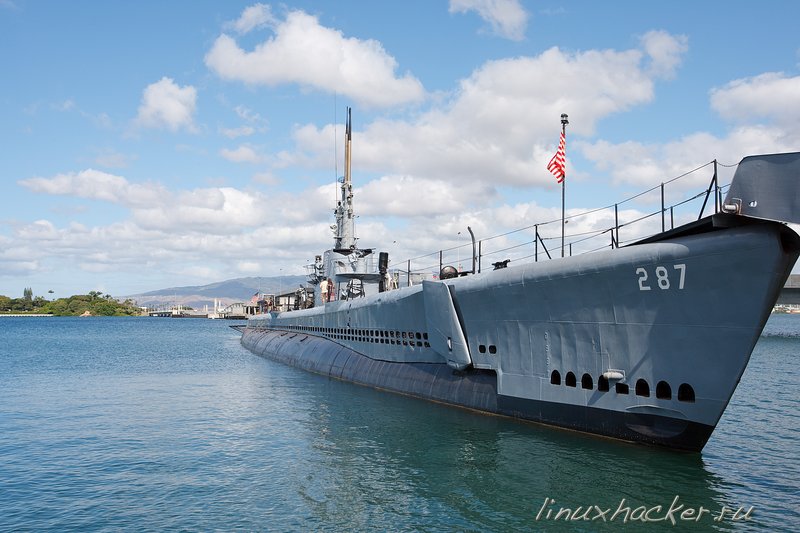
You can pickup English and Japanese narration headphones near the entrance that seem to be covered by original entrance fee.
The USS Bowfin submarine was launched on Dec 7th, 1942, exactly one year after Pearl harbor attack and also nicknamed "Pearl Harbor Avenger".
Bowfin is a hard fighting, aggressive, and voracious fish found in fresh water from the Great Lakes on south.
This submarine was very successful in its raids on Japanese ships.
After WWII ended, the submarine also participated in Korean war.
Wikipedia article on the submarine with tons of interesting info
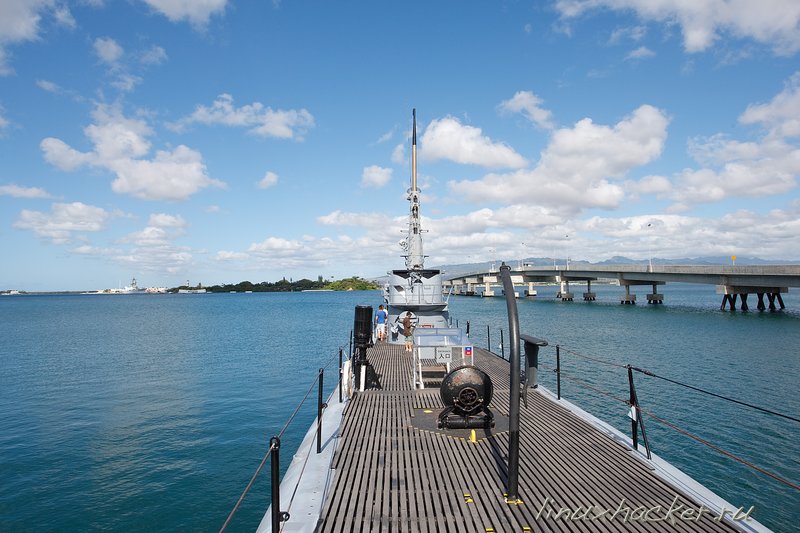
View on the deck of the submarine.
We can see an entrance made out of torpedo loading hole.
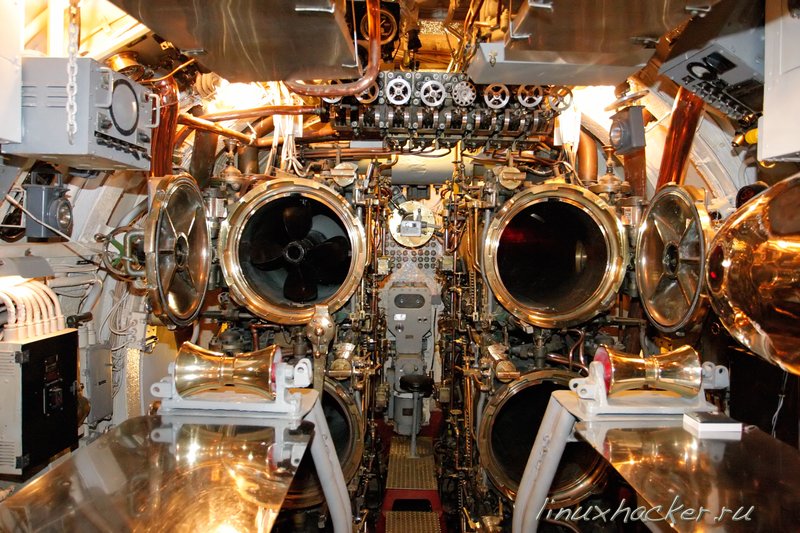
Above you can see front torpedo room. It had six torpedo tubes and also held 10 refilling torpedoes.
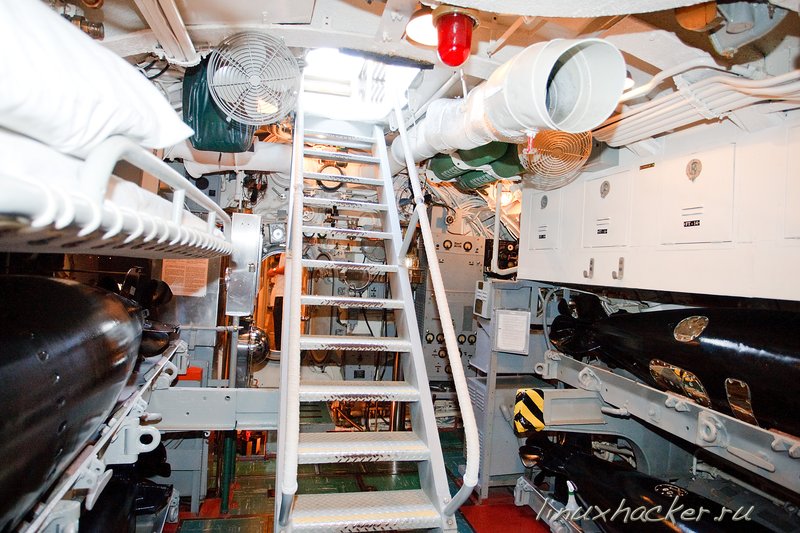
Also up to 14 crew members lived there.
At the far end of the picture, to the right, sonar equipment is located.
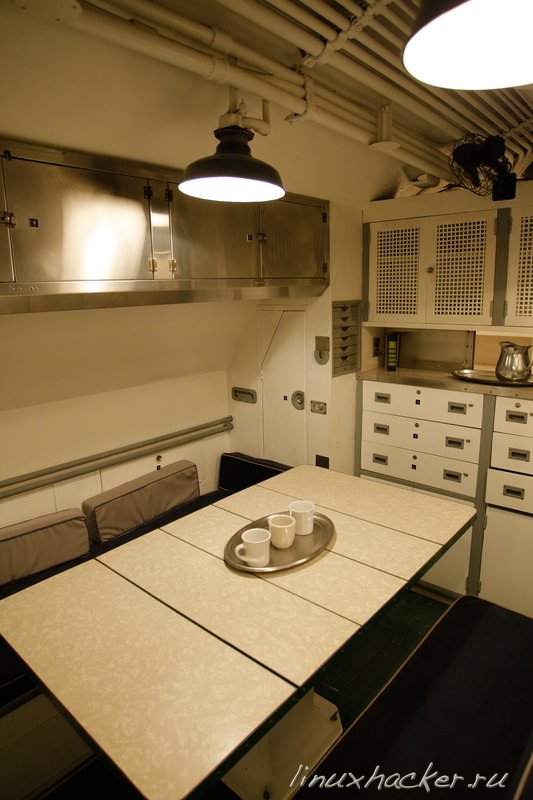
Place of officer rest.
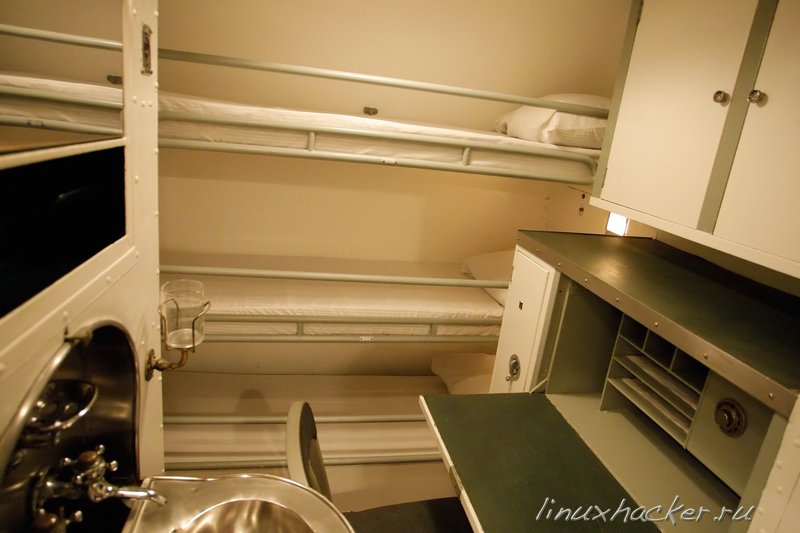
Officer's room. All pretty tightly packed.
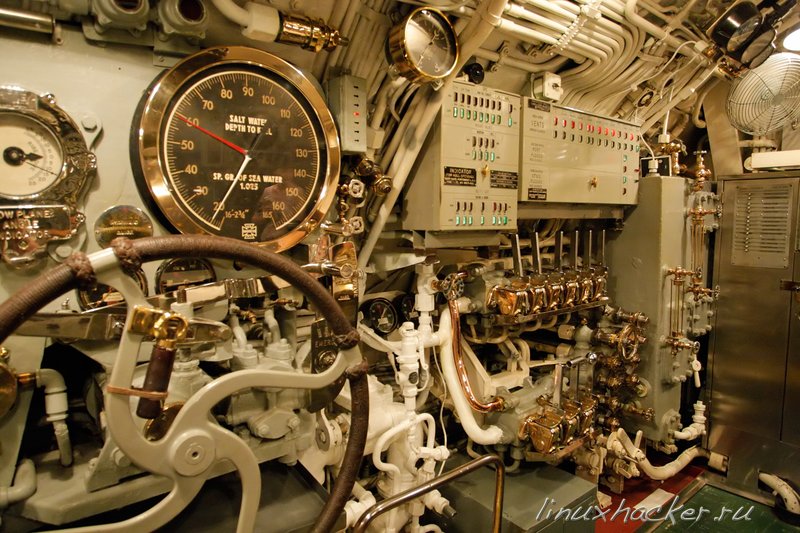
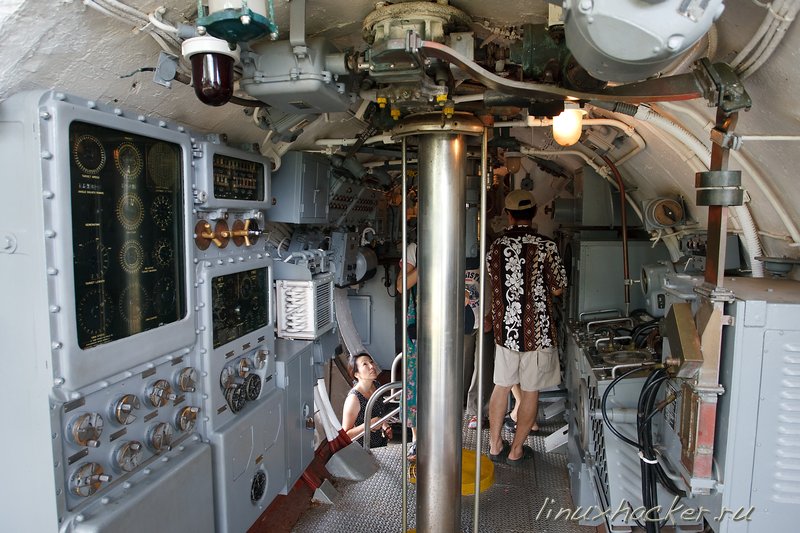
Control room, this is from where diving and submerging was controlled. A panel with a lot of indicators a little bit to the right shows a status of all hull openings and is nicknamed "Christmas tree".
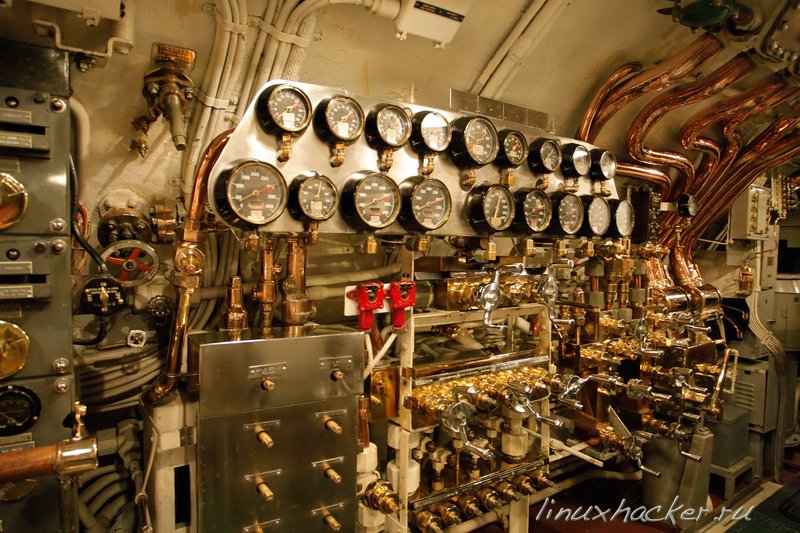
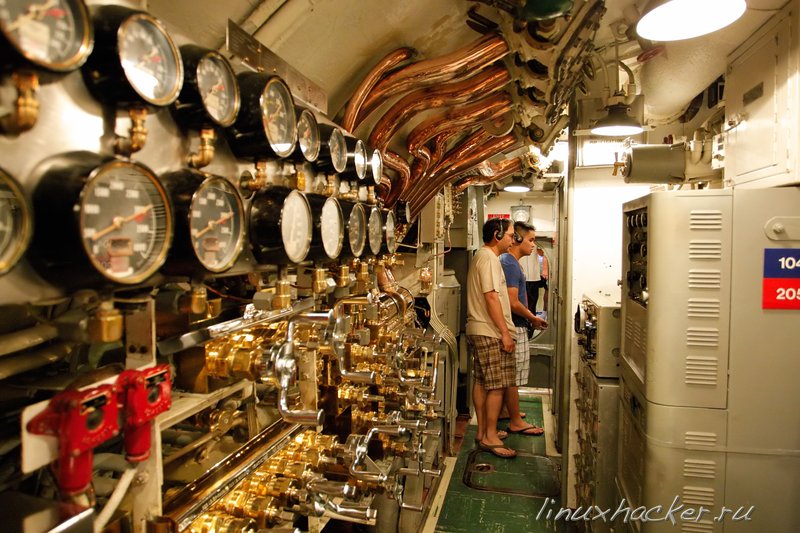
Numbers on blue and red backgrounds to the right is track number on a narrating device to hear about a specific feature of the submarine.
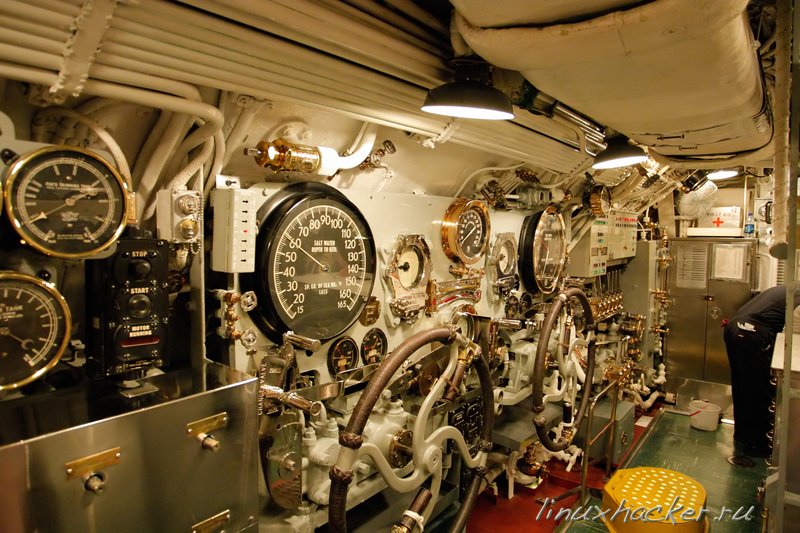
More Control room shots.
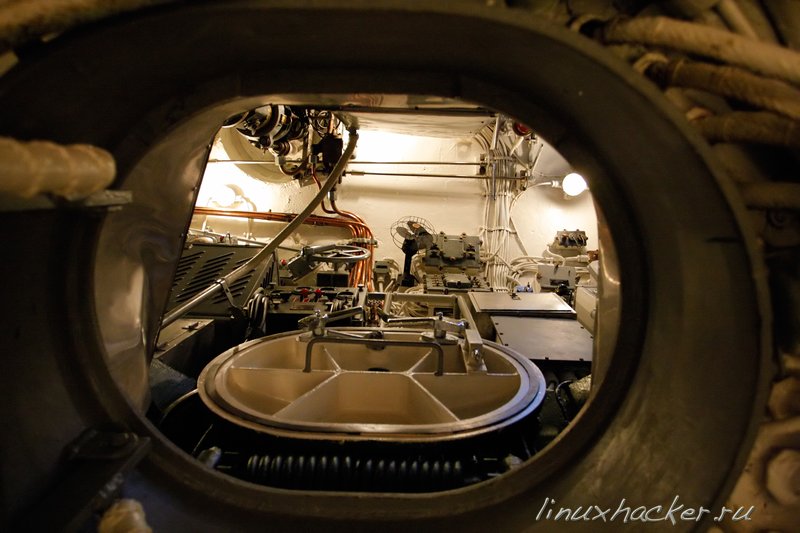
Entrance to conning tower.
This is where the steering control and battle station was located. Periscopes are also usable from there. Technology of the time did not allow for very long periscope tubes, so elevated conning tower (made of separate piece of hull) was necessary.
While we cannot see the inside of the conning tower of USS Bowfin, there is an open exhibit on the outside of another sub's conning tower available to public.
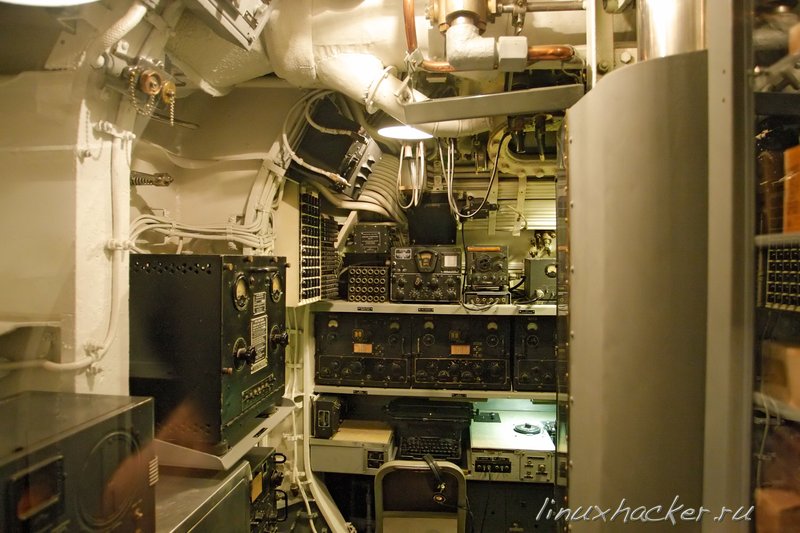
At the edge of control room a radio room is located.
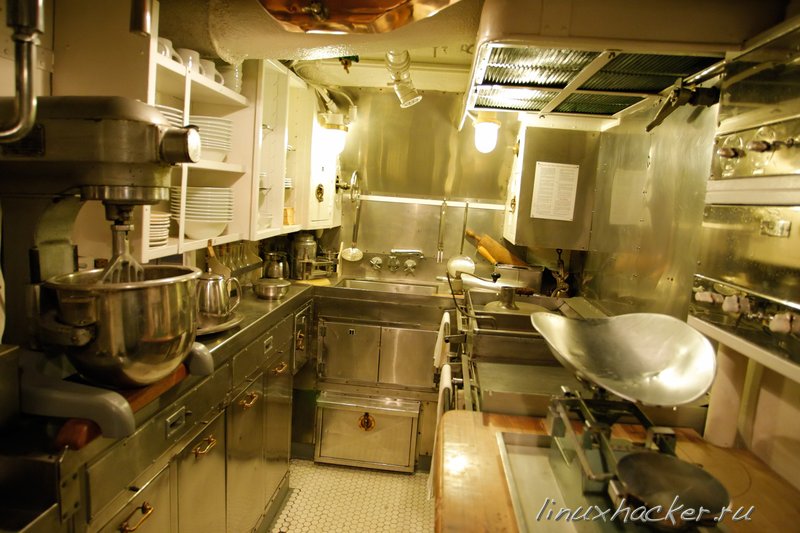
Next is kitchen. Above the kitchen there is a huge freezer that can hold up to 75 days worth of food.
Due to generally bad conditions of service on the sub, food was quite good, often with various fruits and berries.
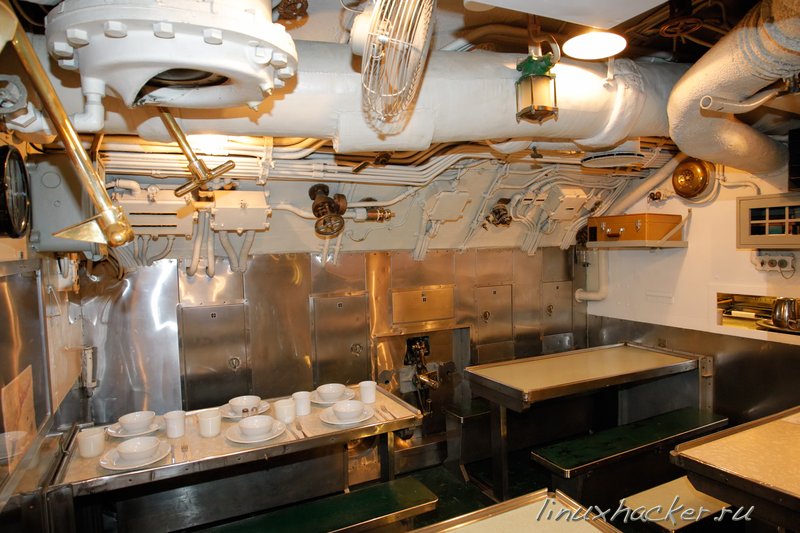
Adjacent to kitchen is Galley where crew ate, relaxed and learned important news.
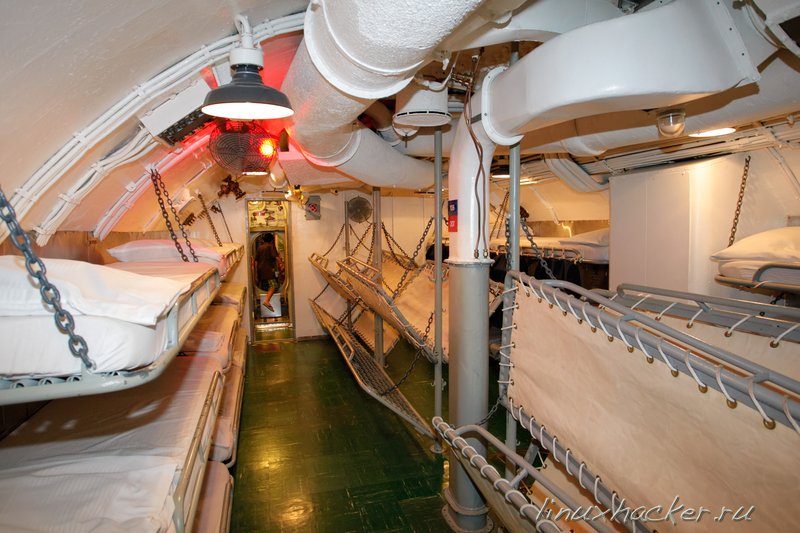
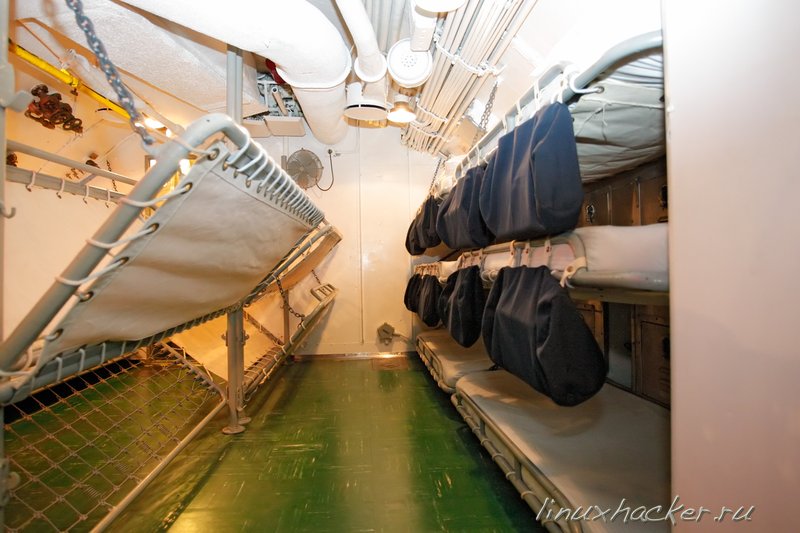
Sleeping room. Even though up to 70 enlisted served on the submarine, there were only 36 bunks available. Crew worked in shifts, so usually a bunk was used by two people. You can see two bags for personal items alongside bunks.
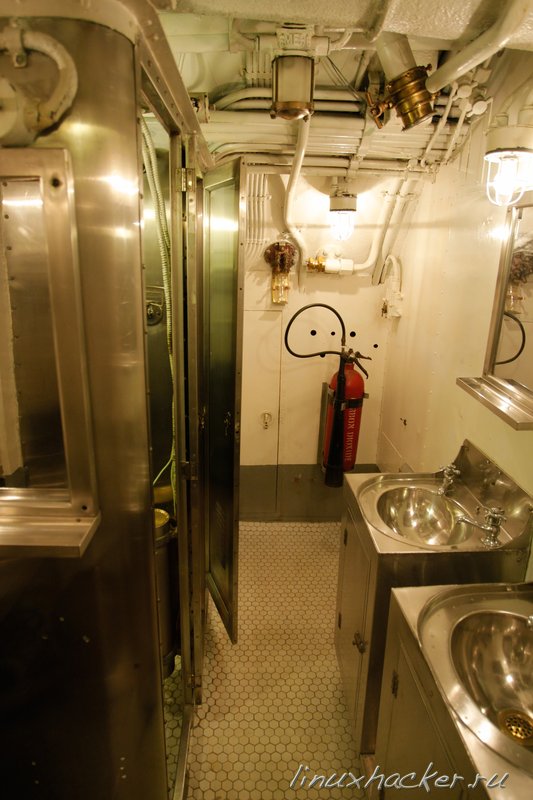
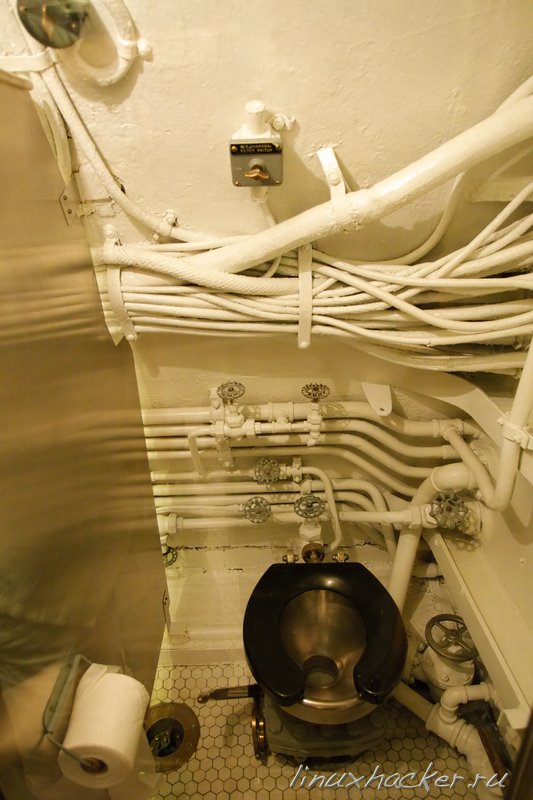
Showers and toilets are also located there.
Next two almost identical rooms are holding 2 diesel engines each:
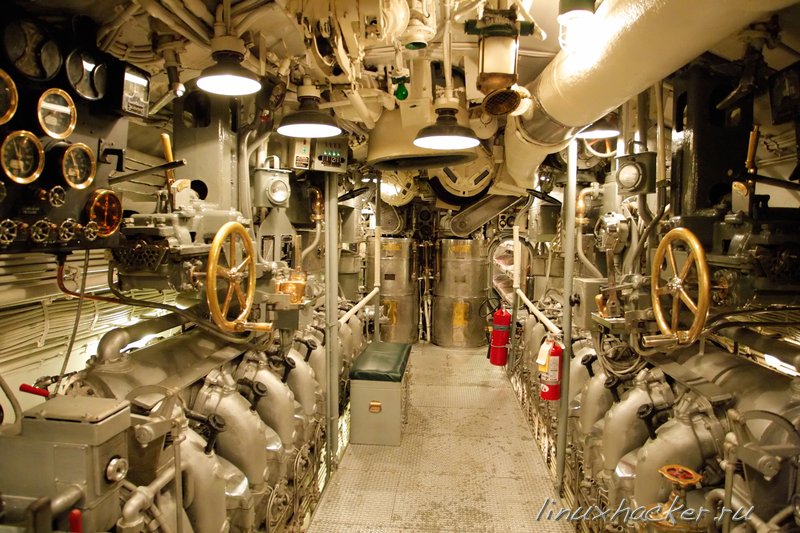
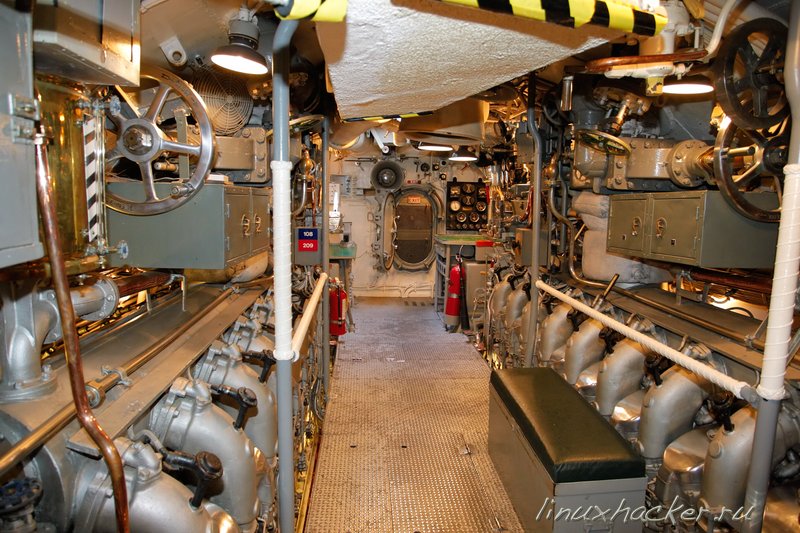
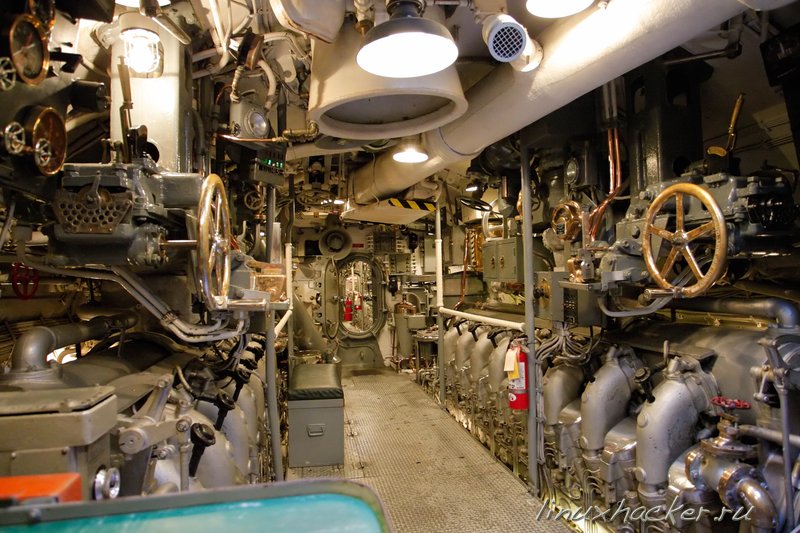
These 16 cylinder 1600 hp engines powered generators to recharge batteries for underwater operations and also powered electric motors for moving.
These rooms were pretty noisy and hot, well over 120 degrees.
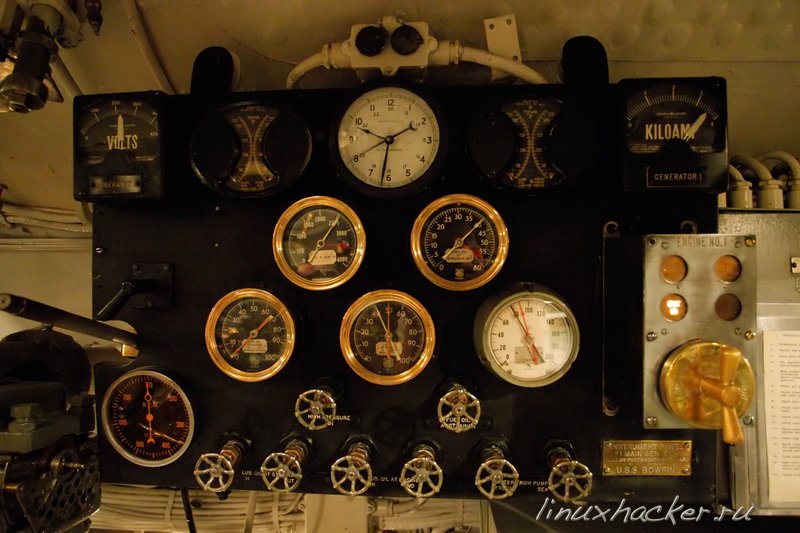
Indicator panel of one of the generators.
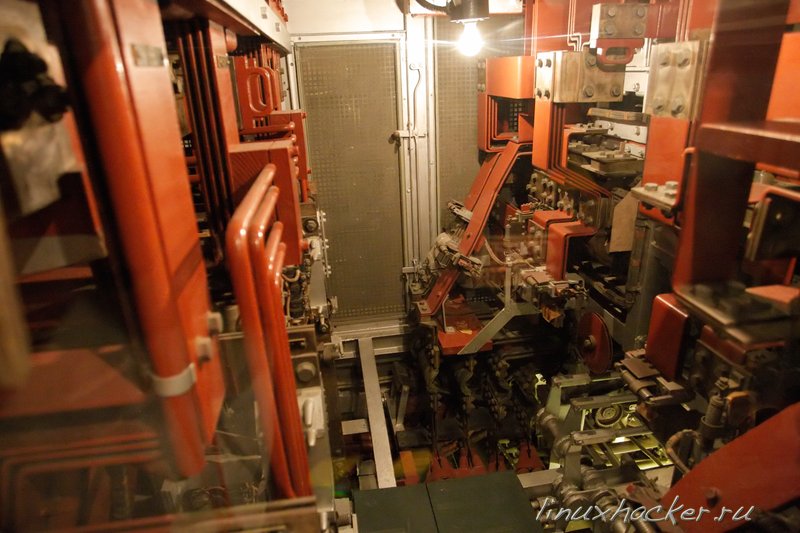
Electric motors that power submarine's propellers.
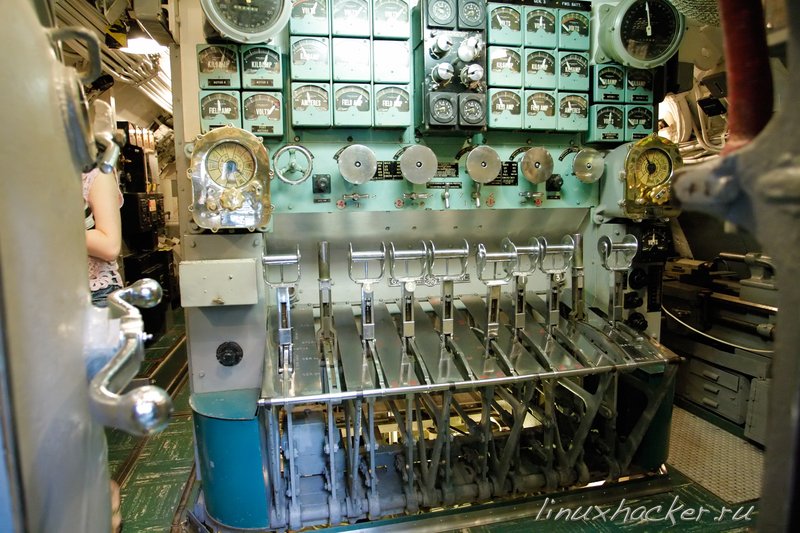
Electric motors control panel.
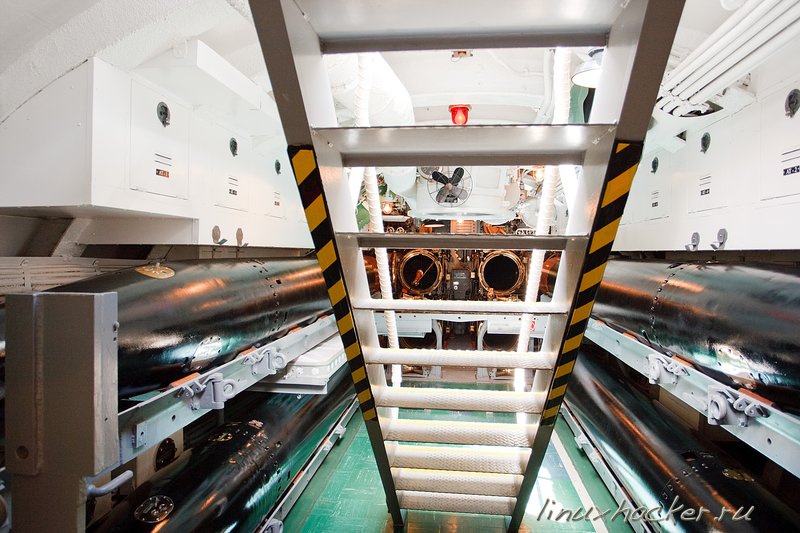
Aft torpedo room. Again, torpedo loading door was replaced with ladder for easiness of access.
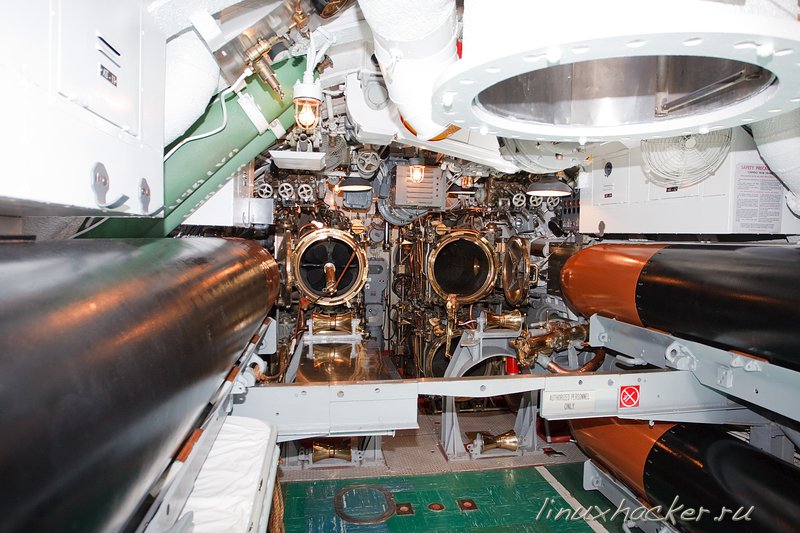
four torpedo tubes located there. Also four replacement torpedoes on the racks that were sometimes substituted with mines.
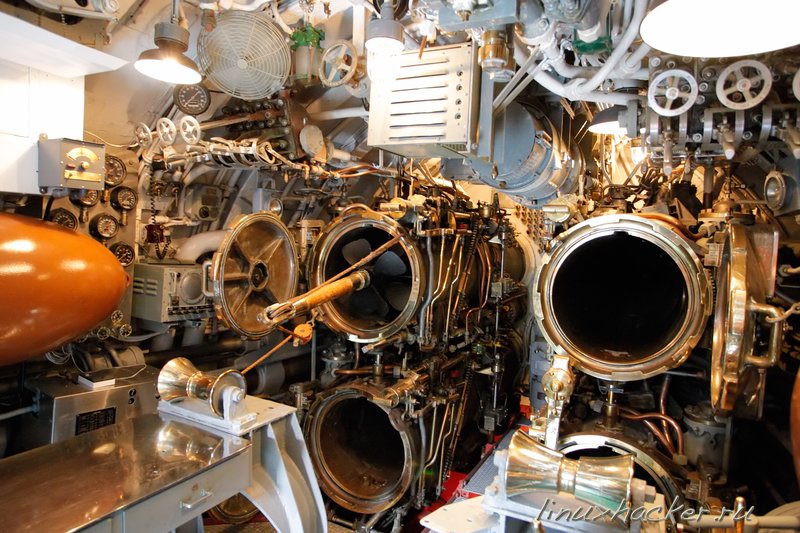
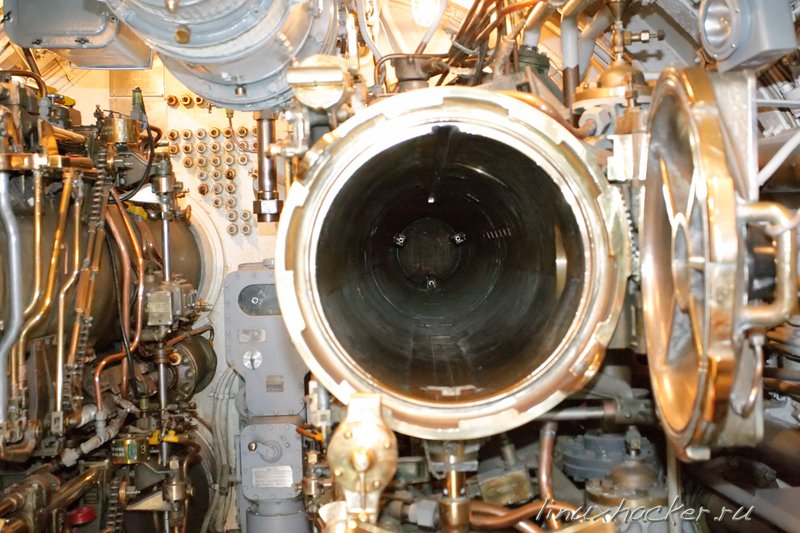
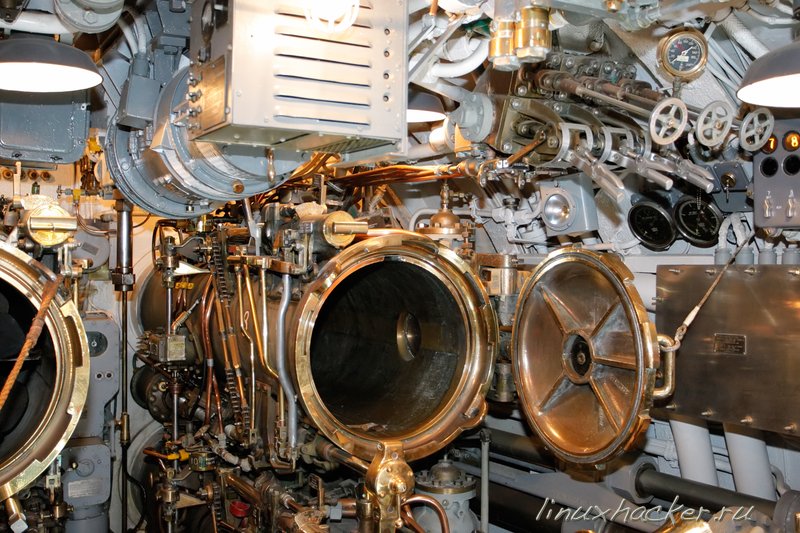
Some closeups of torpedo tubes.
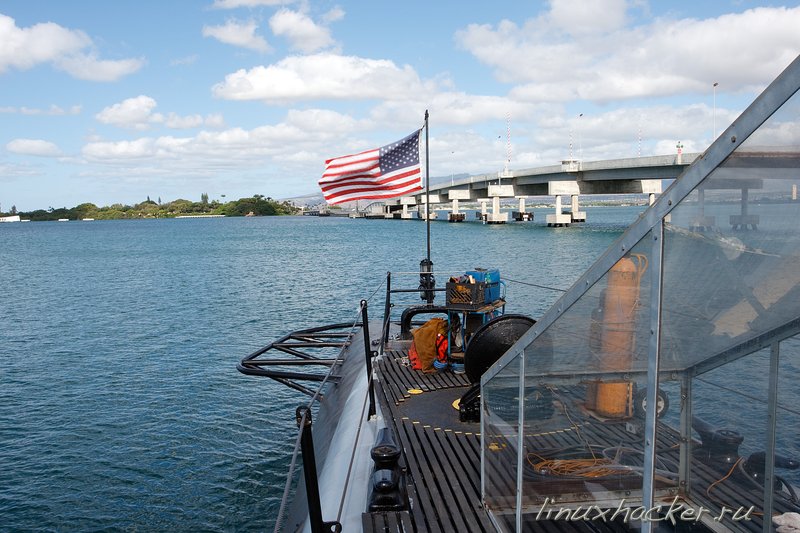
Aft of the submarine.
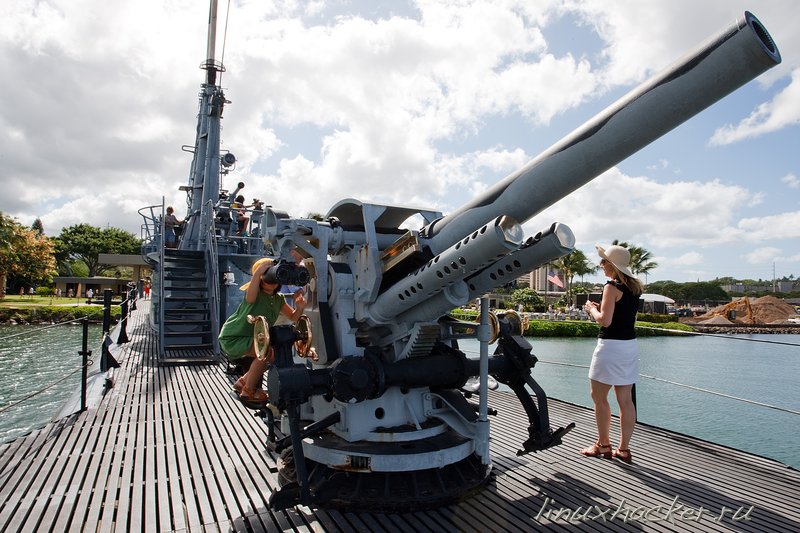
4-inch gun for smaller targets. Seems to attract a lot of children attention.
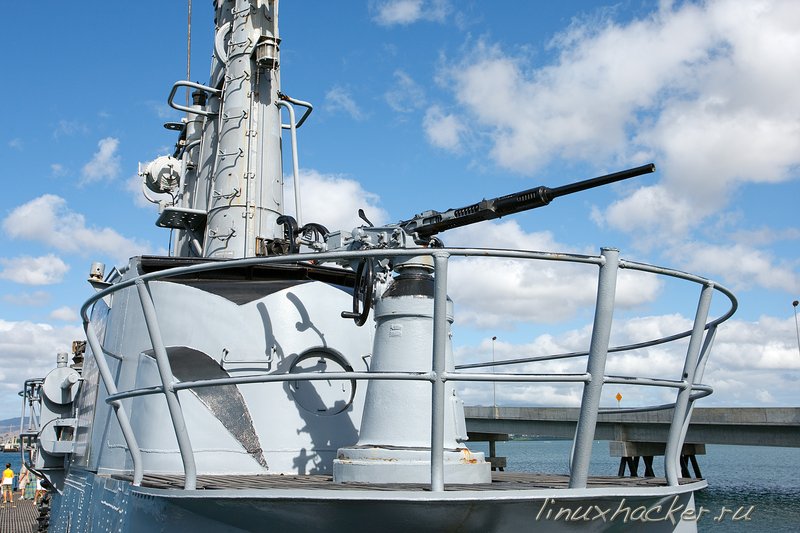
20mm Machine-gun on the conning tower.
That's about all about the sub.
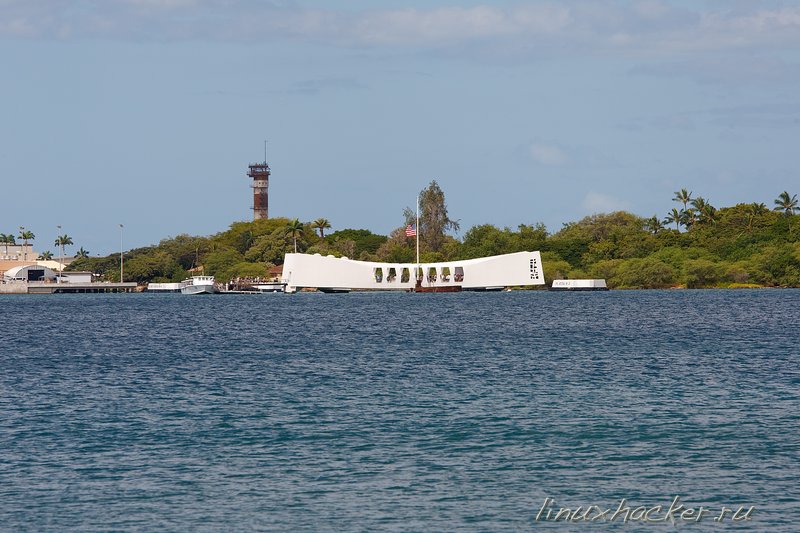
From the shore Arizona memorial can be seen. It was raised on top of USS Arizona destroyed during Pearl Harbor attack killing 1177 crewmembers.
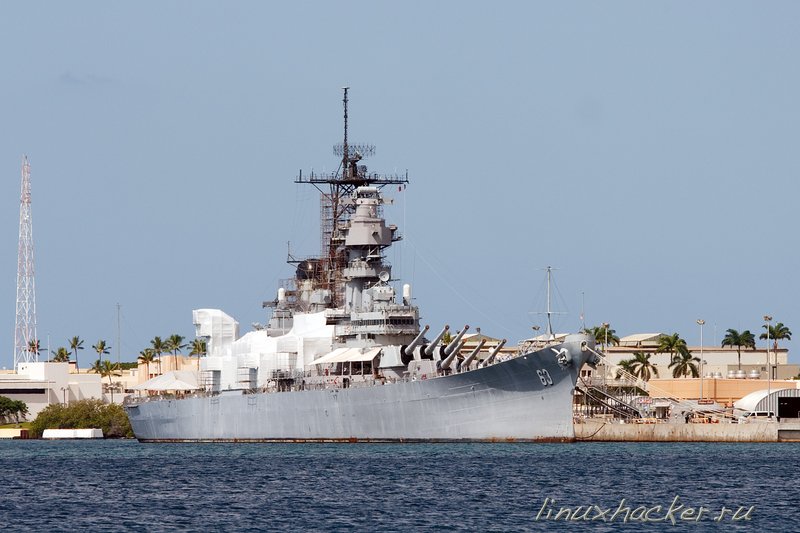
USS Missouri. This is the ship where Japan capitulation was signed.
It remained in commission until 1992 and even participated in operation "Desert Storm" in Iraq in 1991.
Surrounding area is also filled with other naval weapons and exhibits (free to access).
Submarine conning tower.
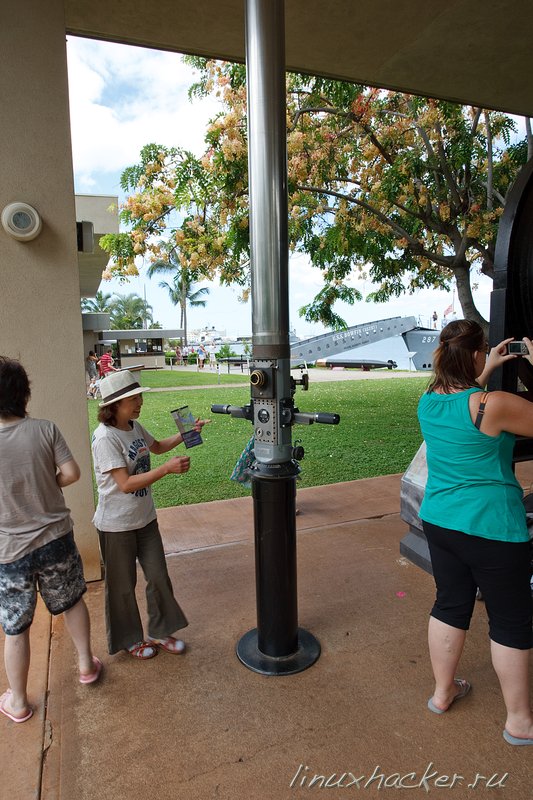
Submarine periscopes demonstration. There were 2 periscopes in WW2-era submarine. One is navigational with superior optic and wide field of view and the other one is much narrower attack periscope.
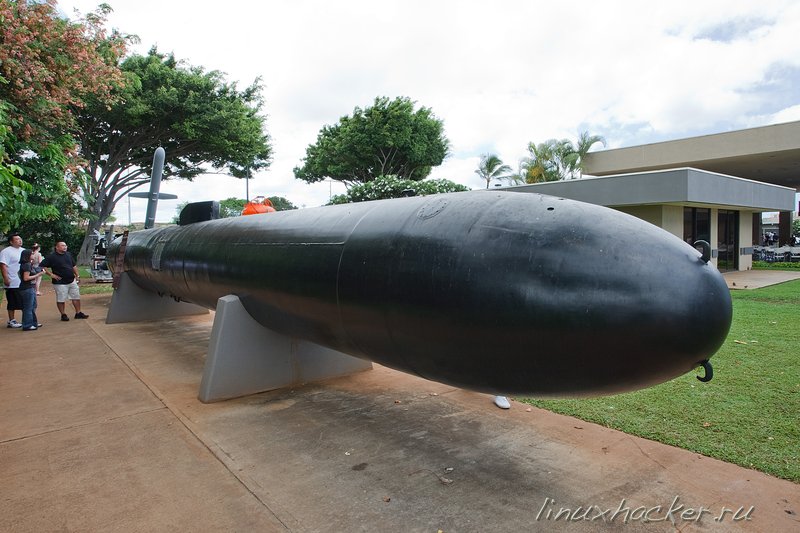
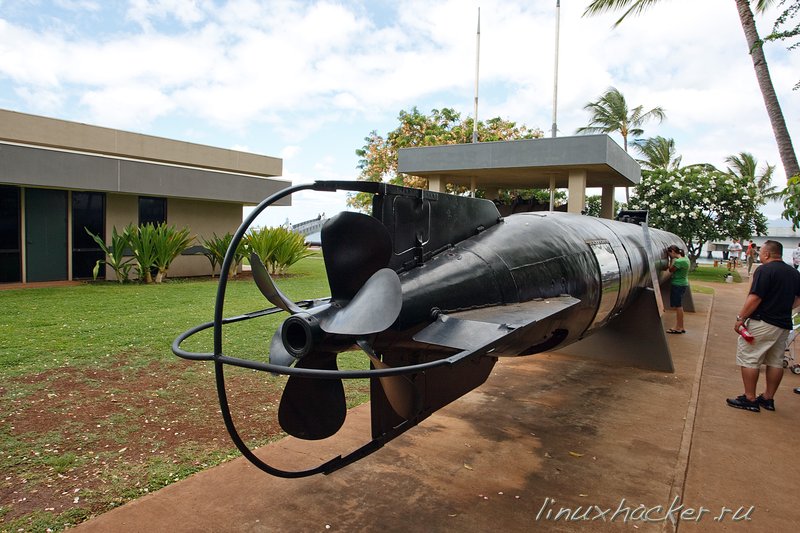
Kaiten. This is manned torpedo used by Japanese naval forces in hopes to turn the war around.
Initially designed with escape capsule for the pilot, there are no known cases of the escape device being used, so later models were built without it. Designed to be launched from deck of a ship or a submarine.
Proved to be highly unreliable and with only two confirmed kills was hated by a lot of Navy crew.
Since it cannot take big depths, a submarine equipped with these cannot dive deeply and so became easy prey. 9 kaiten-using submarines were lost by Japanese Imperial navy.
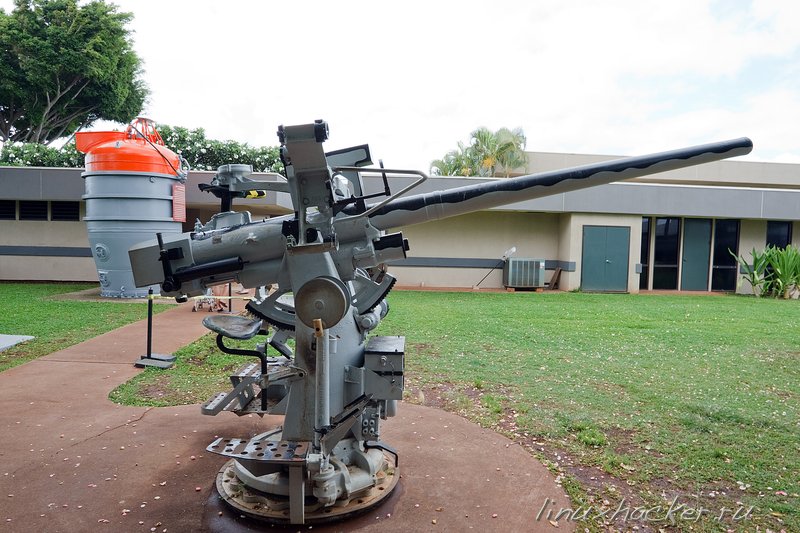
3-inch gun. Initially mounted on submarines, but proved to be too underpowered and later replaced with 4-inch gun instead.
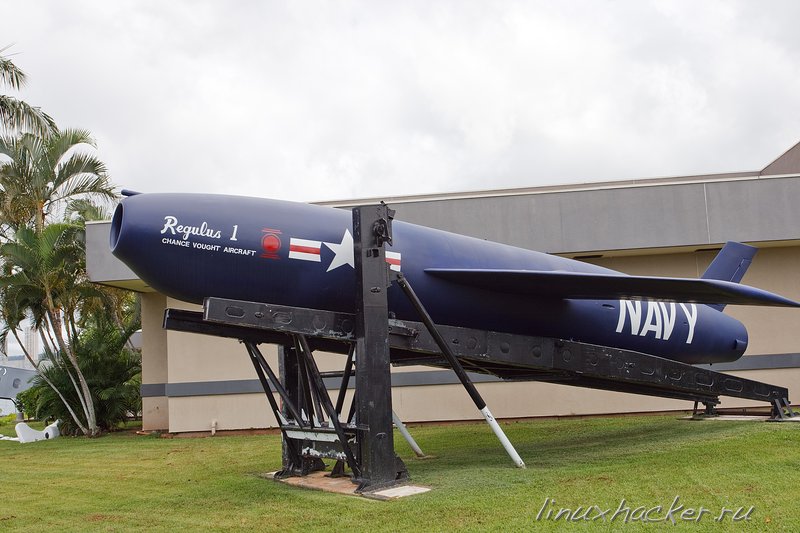
Regulus 1, first cruise missile. Capable of being launched from ships and submarines. Commissioned in 1951.
After we were done with Naval stuff, we decided to go to Pacific aviation museum (need to buy tickets in the same booth as USS Bowfin). To get there you need to hop on a shuttle bus going to Ford Island. Ford Island is active military base, so you are not supposed to take any pictures until you get to the museum itself.
The museum is located in Hangar 37 that survived Pearl Harbor attack.
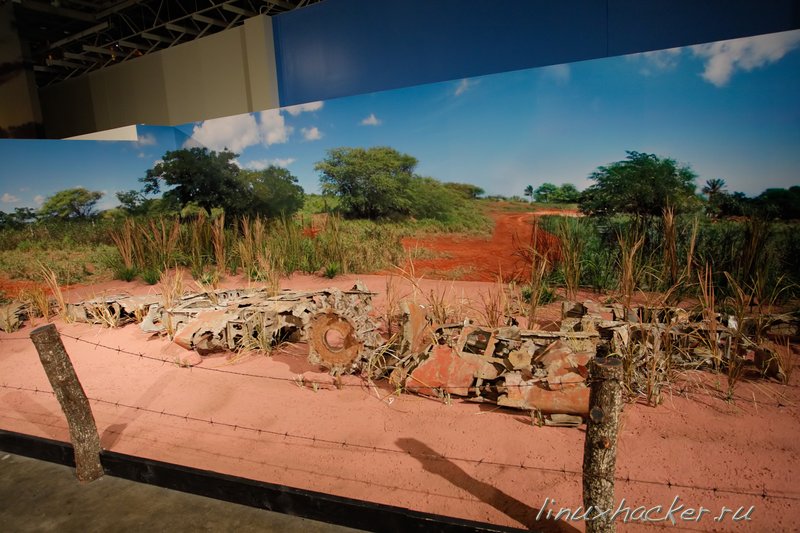
This is a reconstruction of a crash-site on Ni'ihau island of one of Japanese Zero aircraft that was damaged by ground fire.
The pilot attempted to scare people of the island but eventually was overpowered and killed. The aircraft remains were picked by US intelligence to find secrets of its legendary performance. This remaining part of the engine was hidden by island inhabitants.
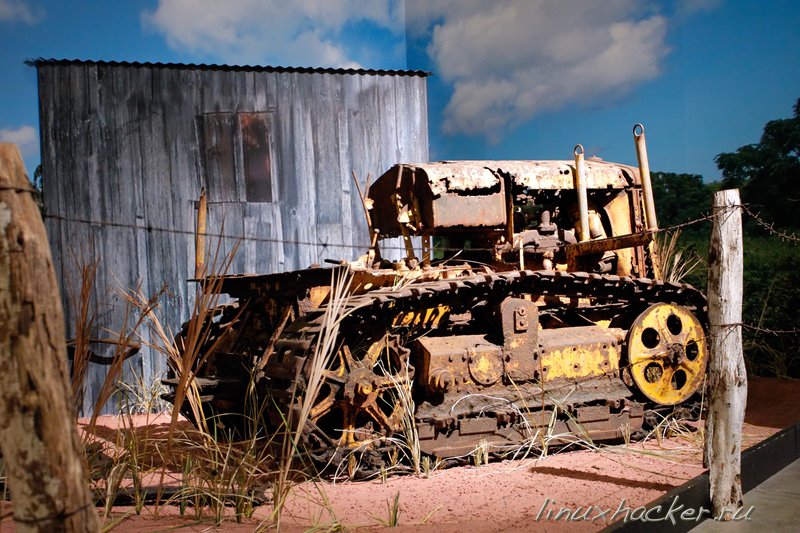
Cletrac Tractor from Ni'ihau island.
The Ni'ihau island is privately owned island. Its owners got a prediction in 1933 that Japan will definitely try to take on Hawaii and the island is ideally positioned for an airfield. To avert the disaster owners began to dig trenches across entire island first with mules and then purchased this tractor from Cleveland Tractor Factory in 1937.
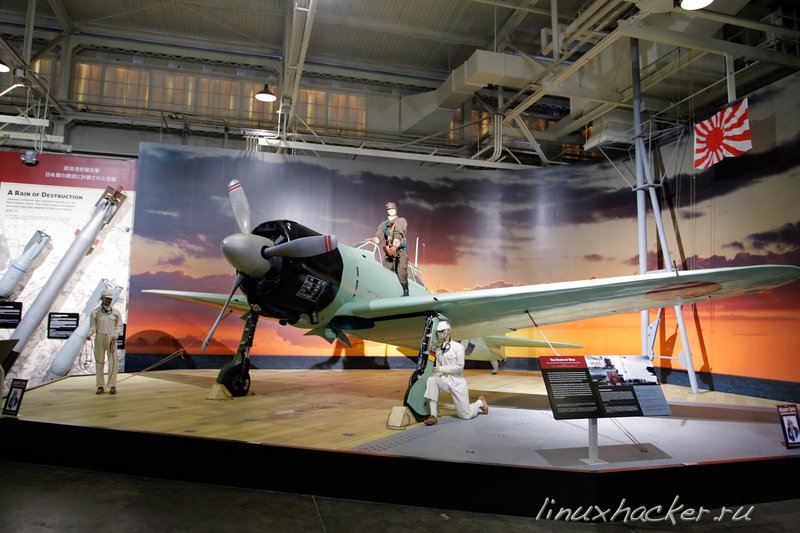
Mitsubishi A6M2 Zero.
This is legendary Japanese aircraft from WW2 era. While more than 10000 were built only a few survived to our days.
Saito from "Zero no Tsukaima" Anime flown an aircraft just like this one as well.
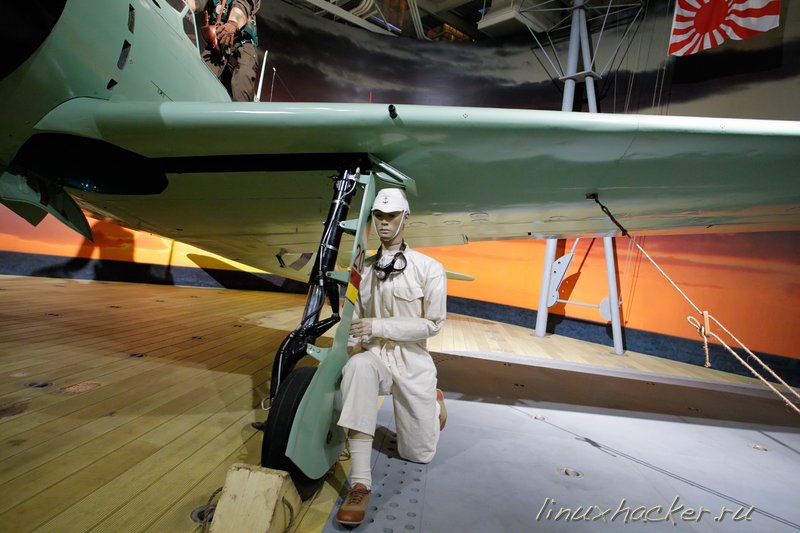
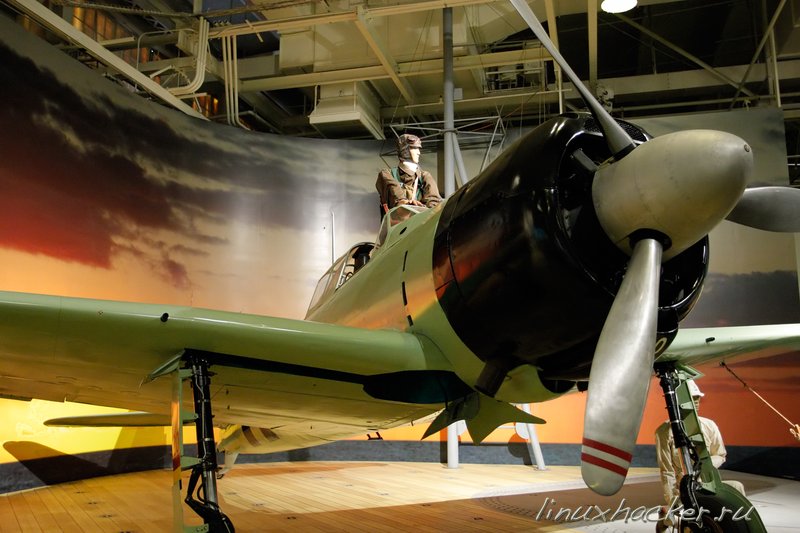
The scene portrays final preparations before launching second wave of attack on Pearl Harbor.
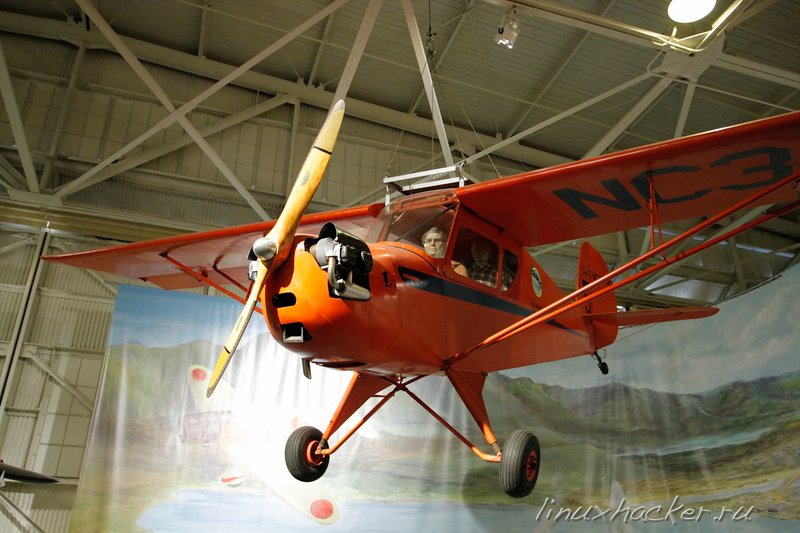
Aeronca 65TC
One of the first aircraft meeting Japanese attack waves on Pearl Harbor were civilian, like this one.
On December 7th, 1941 its owner was airborne piloted by Roy Vitosik and his son Martin when suddenly they got fired at from what they thought was a group of American planes. They were able to land at John Rogers airfield (now Honolulu International Airport) and hide in bushes.
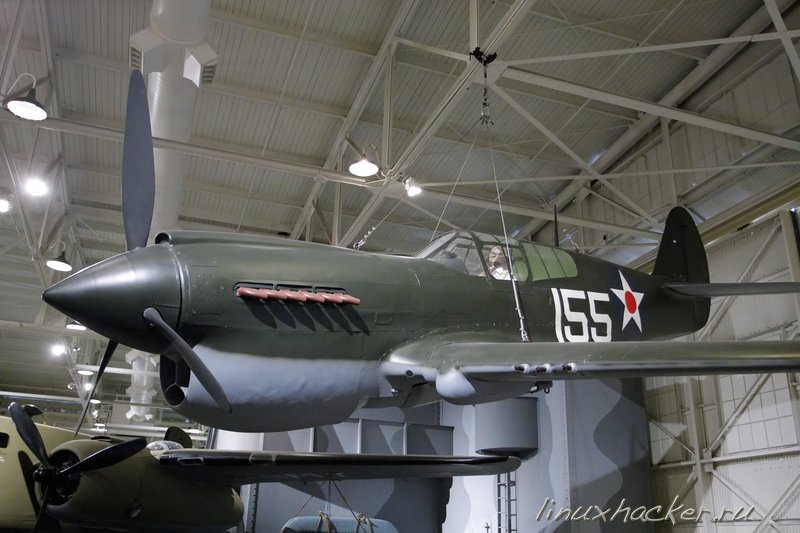
P-40E, main fighter on Oahu at the time of attack.
While majority of US aircraft were destroyed on the ground, some actually did manage to take off mostly from northern airfields. Only one was shot down, and others scored multiple victories that day.
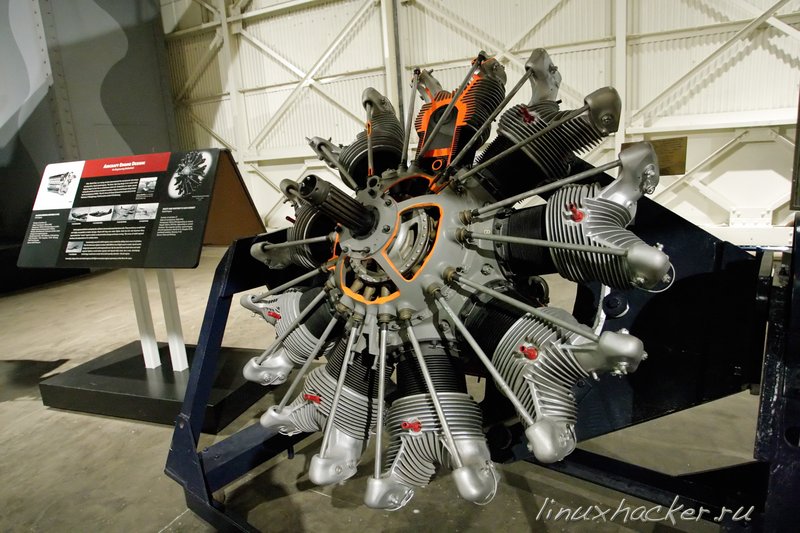
Pratt and Whitney R1690 Hornet air engine.
9 cylinder radial engine with air cooling. Was used on Martin B12, Douglas O-38, Lockheed Loadstar, Sikorsky S-42
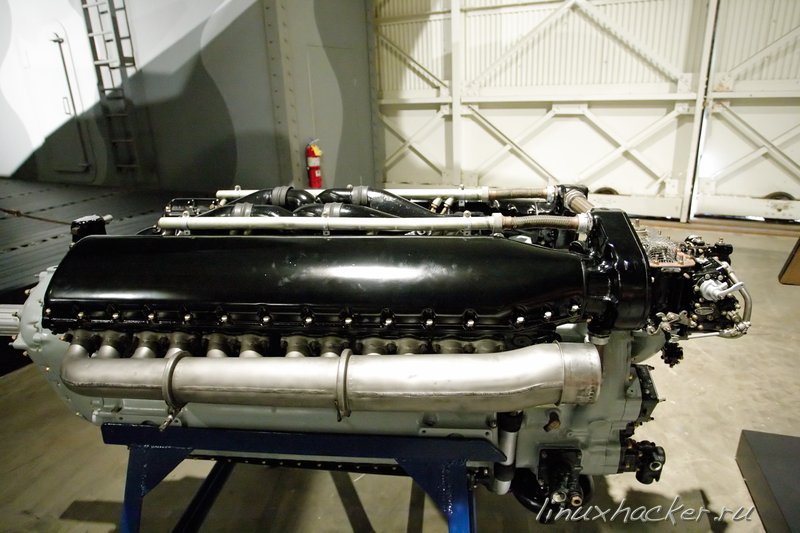
Allison V-1710 inline air engine.
12 cylinder, overhead cam, liquid-cooled.
Was used on P-40 Warhawk, P-38 Lightning, P-39 Airacobra, P63 Kingcobra, P-51A Mustang, P-82 Twin Mustang.
After WWI multiple contests demonstrated advantages of inline liquid-cooled engines that had much less drag and more power.
Air-cooled radial engines started to look like a dead end.
But inline engines turned out to be pretty fragile and did not take battle damage lightly as well.
Multiple advances of radial engines reduced their drag effects and so both types remained popular for aircraft at the time.
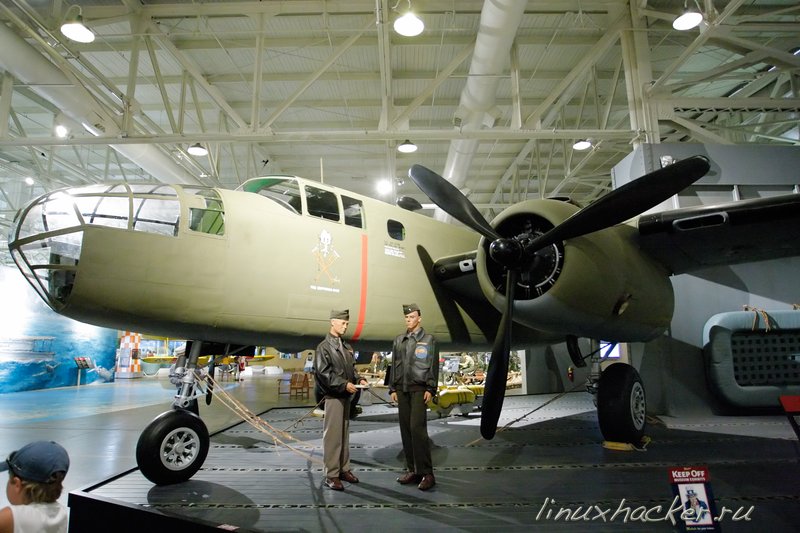
Medium bomber B-25 Mitchell.
The scene portrays the bomber aboard carrier Hornet sailing towards Japan in what later was called Doolittle Raid - a desperate attempt of US forces to boost morale by attempting to bomb Japanese home islands.
The raid was a moderate success with bombers actually reaching Japan and catching it unprepared. Due to being discovered by Japanese patrol boat they were forced to depart earlier than planned and having not enough fuel all planes but one were abandoned or crash-landed in China and one low on fuel landed in Vladivostok.
American public morale was indeed boosted, though.
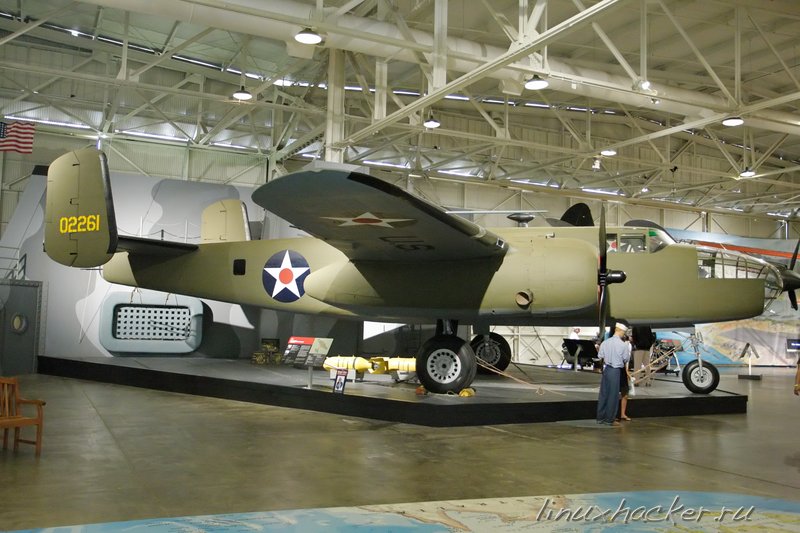
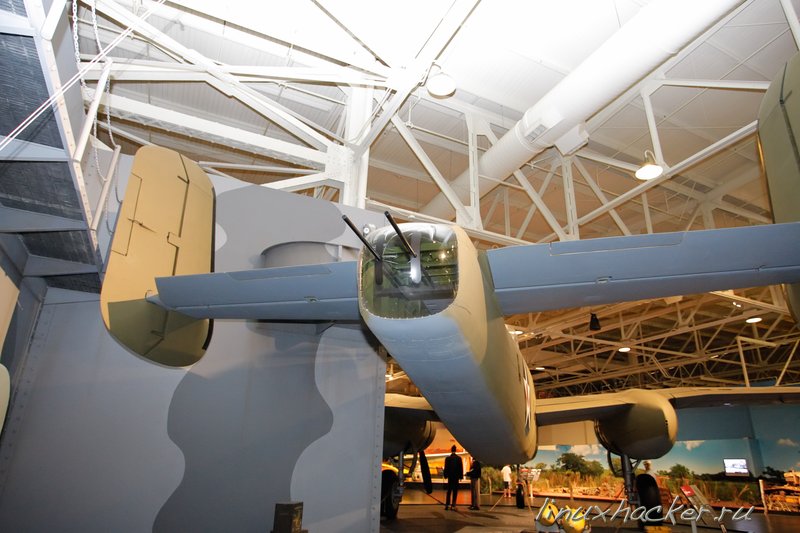
Black-colored mops were put into rear view-port of the bomber to fool Japanese pilots that these are real guns and discourage attacks from this direction. The trick was reportedly successful.
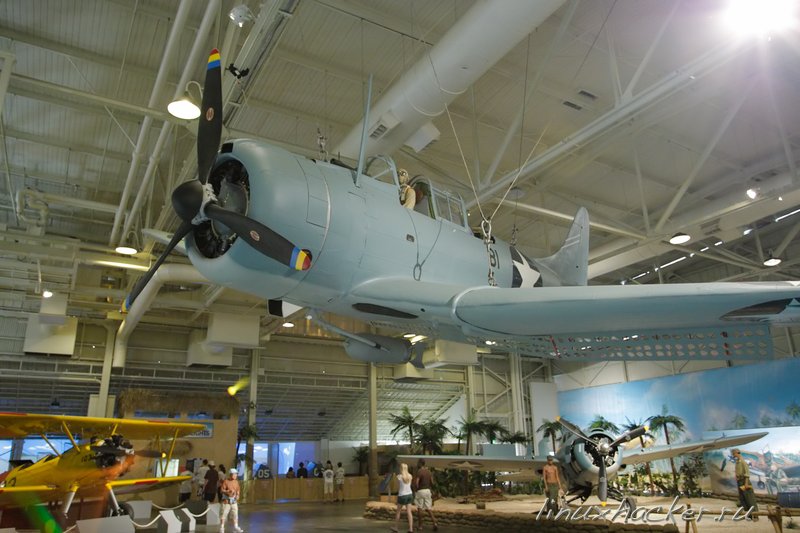
Douglas SBD-3 Dauntless
This plane is believed to be one of the most successful dive bomber of WWII even though it was already outdated at the time.
Simple to pilot and reliable it was loved by pilots. These aircraft destroyed all four Japanese carriers in Battle at Midway.
Got a nickname "slow but deadly".
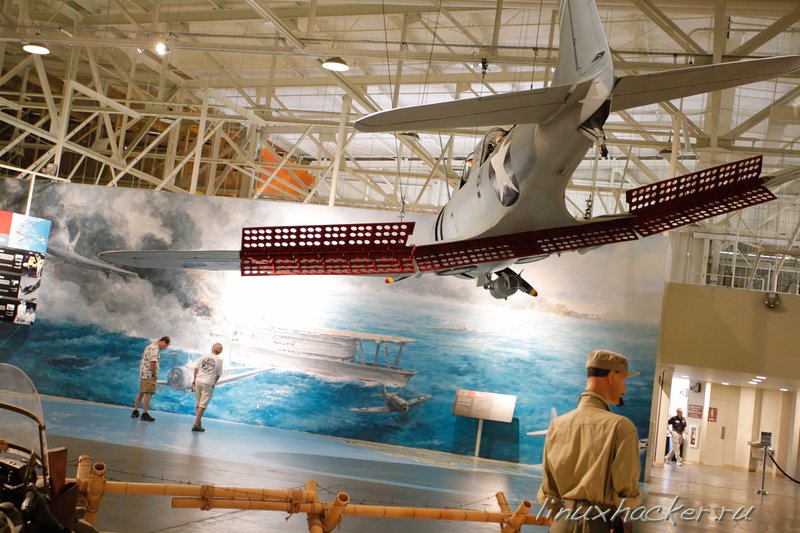
This scene shows attack on Japanese carrier in Battle at Midway.
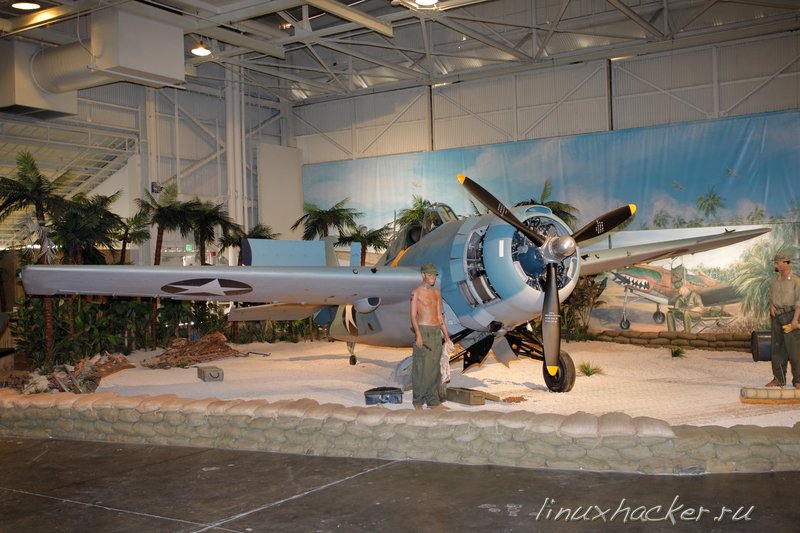
Grumman F4F Wildcat.
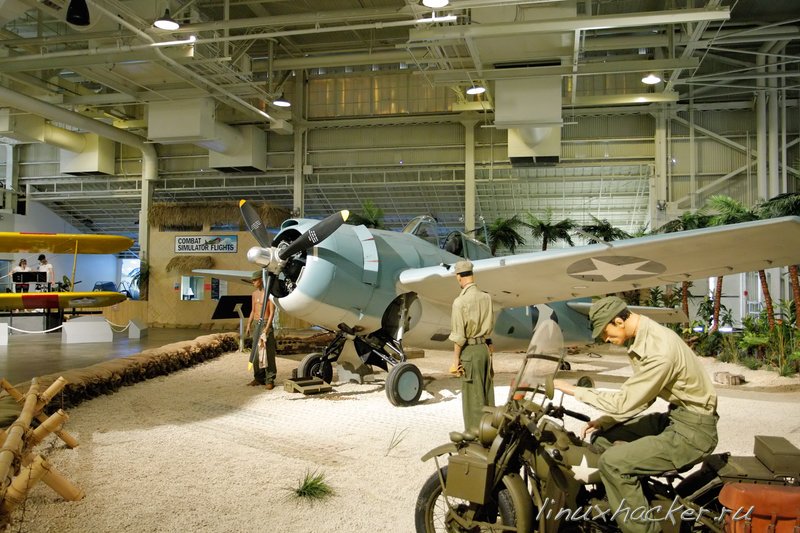
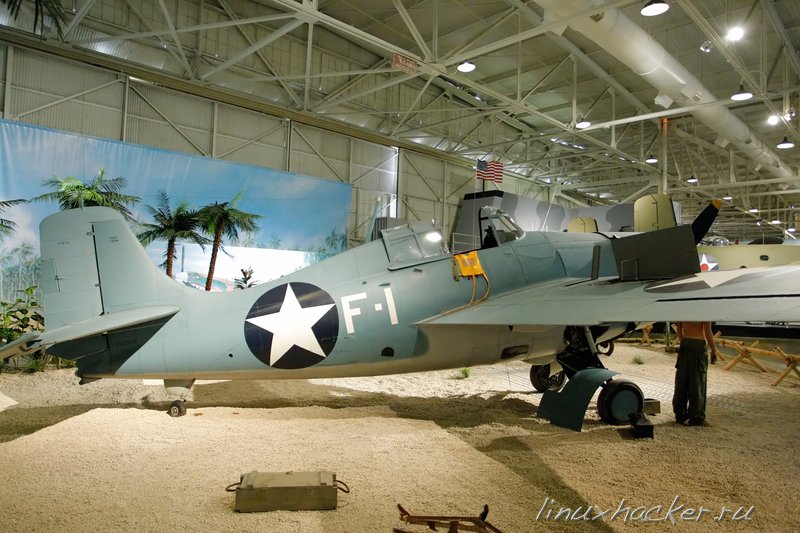
The scene portrays "Cactus Airforce" on Guadalcanal island that was captured after Battle at Midway.
Japan wanted to recapture the island so a lot of daily fighting activity was happening on land, at sea and in the air.
Both sides had a lot of casualties and equipment lost. Japan was unable to recover from such a loss and this is what believed to have turned the war around.
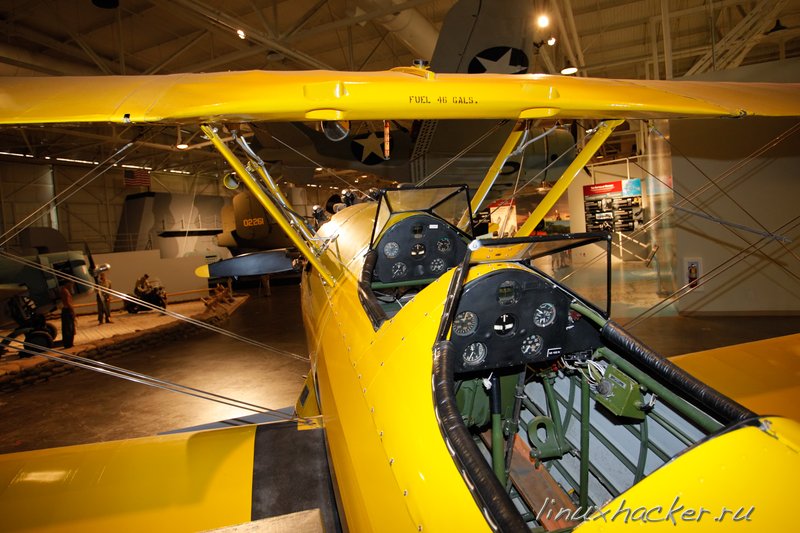
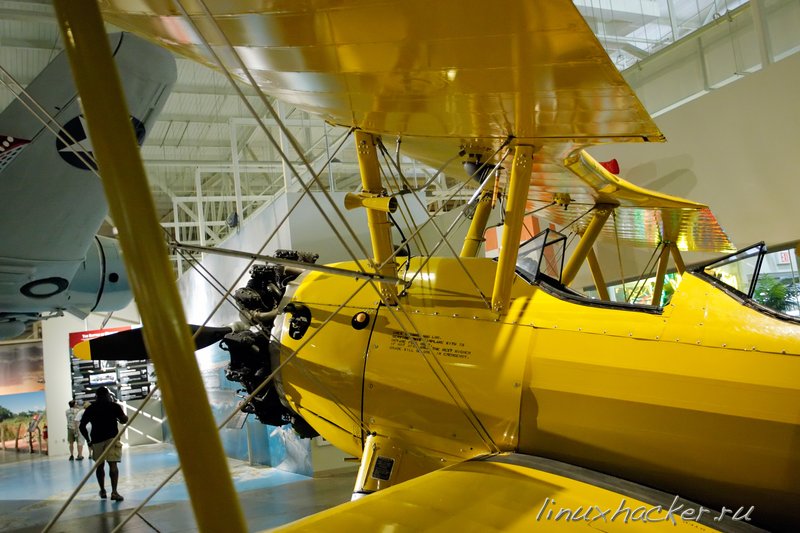
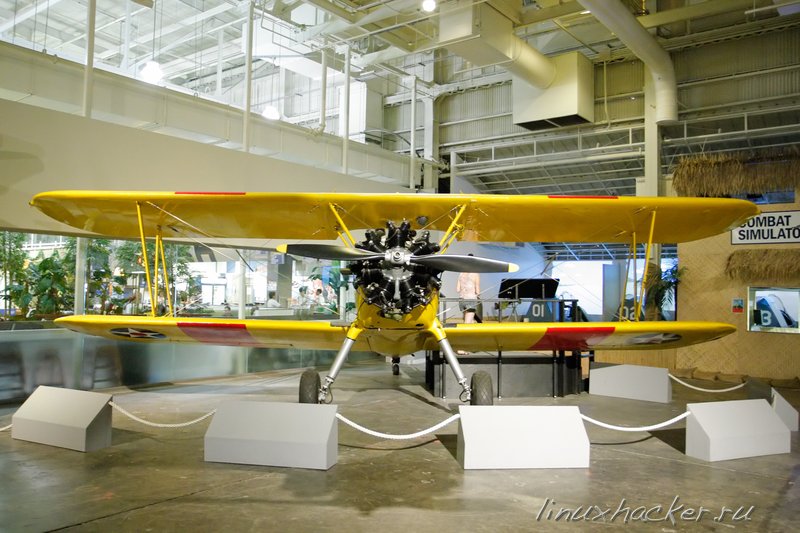
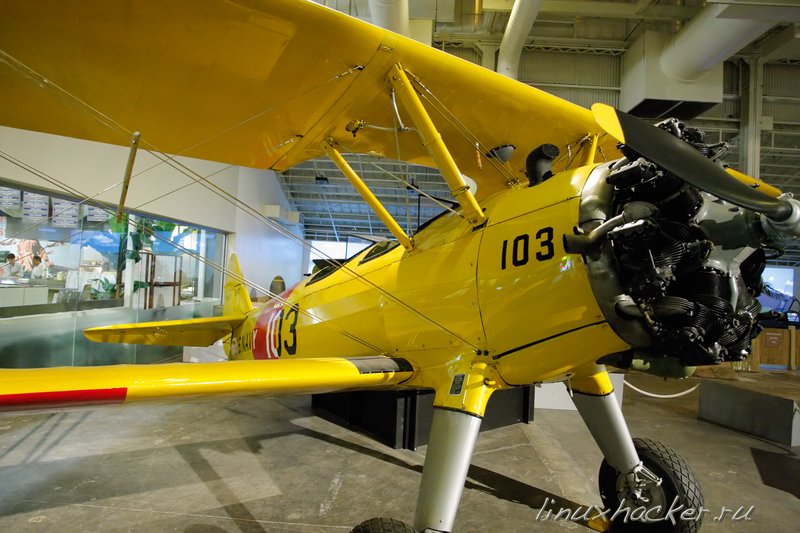
Boeing Stearman N2S3 / PT17 Kaydet
This is primary fighter training plane of US army at the time of WWII.
Highly reliable and easy to fly, it had no radio or electric system on board.
Communication to student was made by a hollow tube attached to simple headphones he worn.
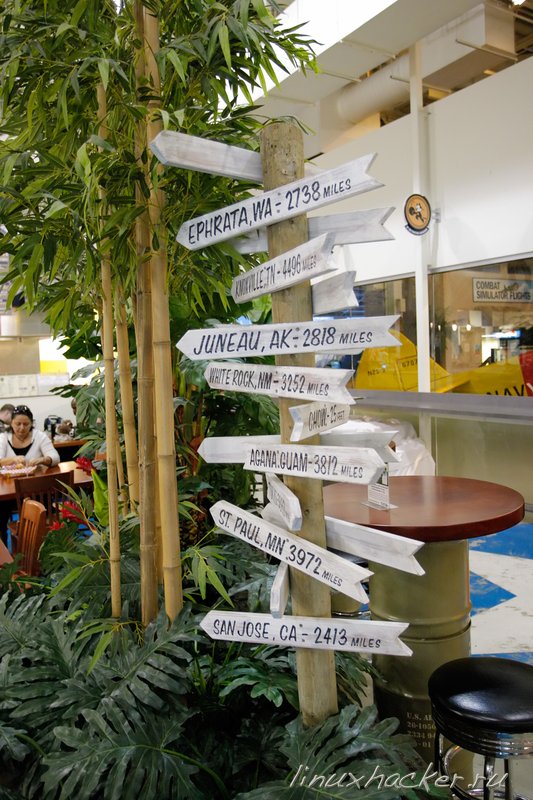
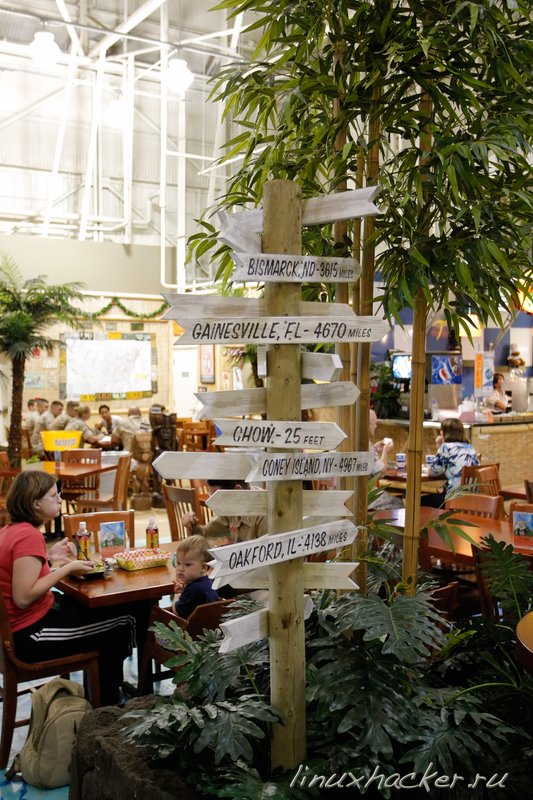
In the aviation cafe.
After Pearl Harbor we decided to go to Polynesian Cultural Center. It is located on almost the opposite side of the island.
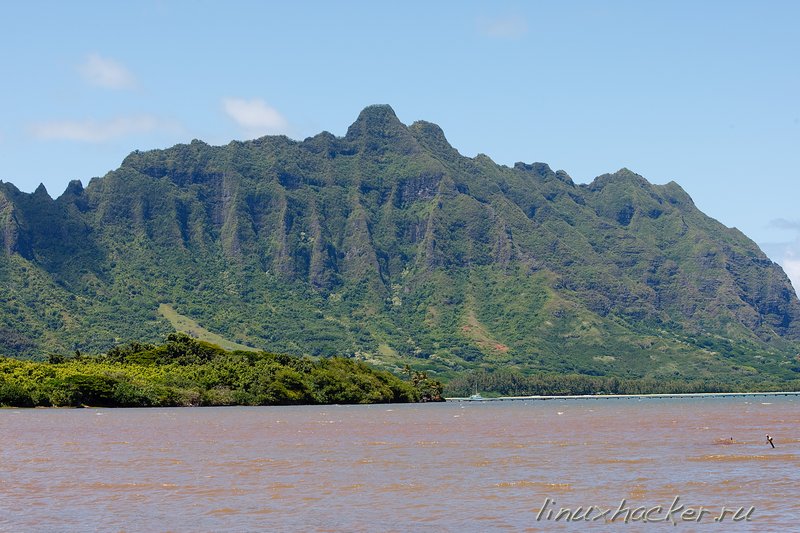
The road there lies between mountains with some pretty spectacular views.
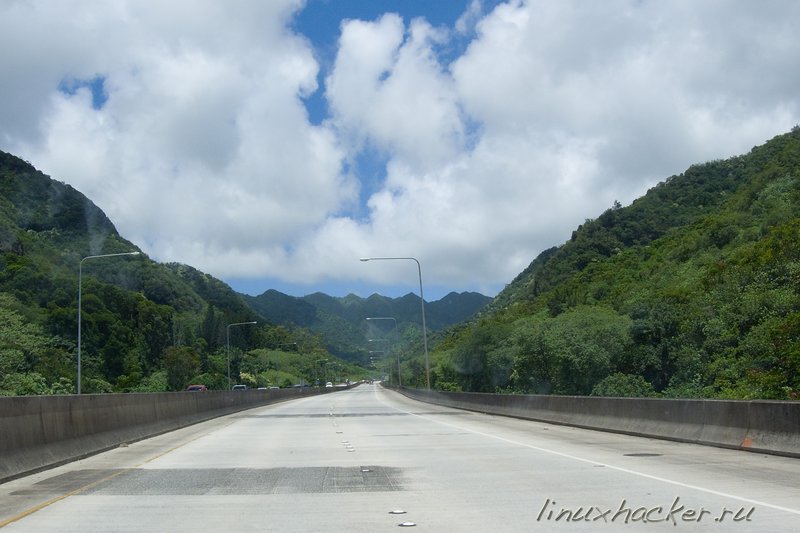
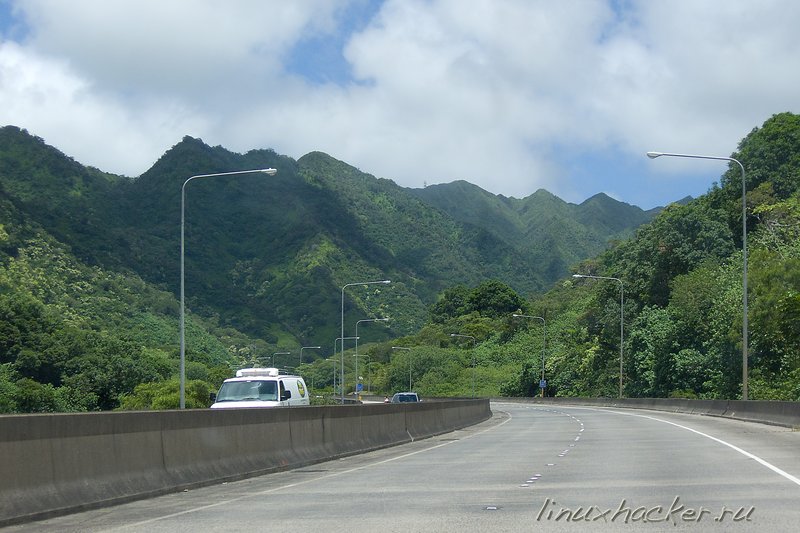
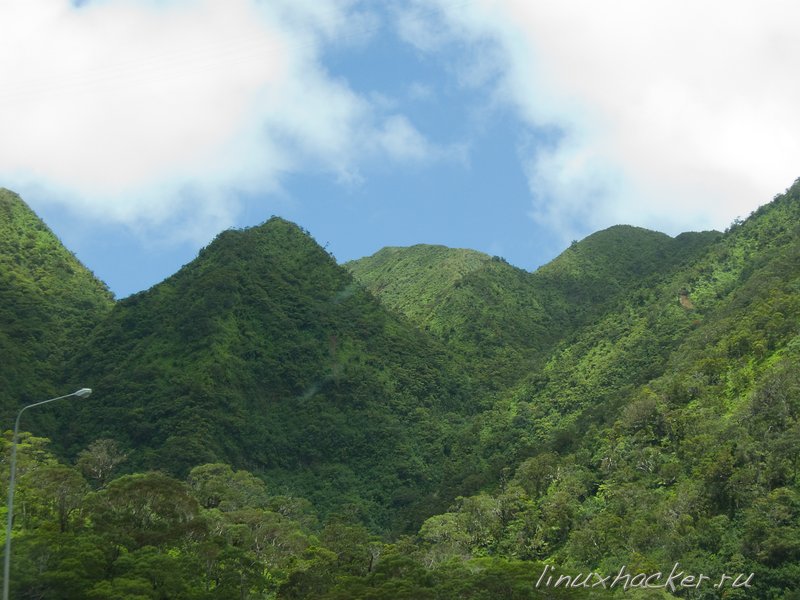
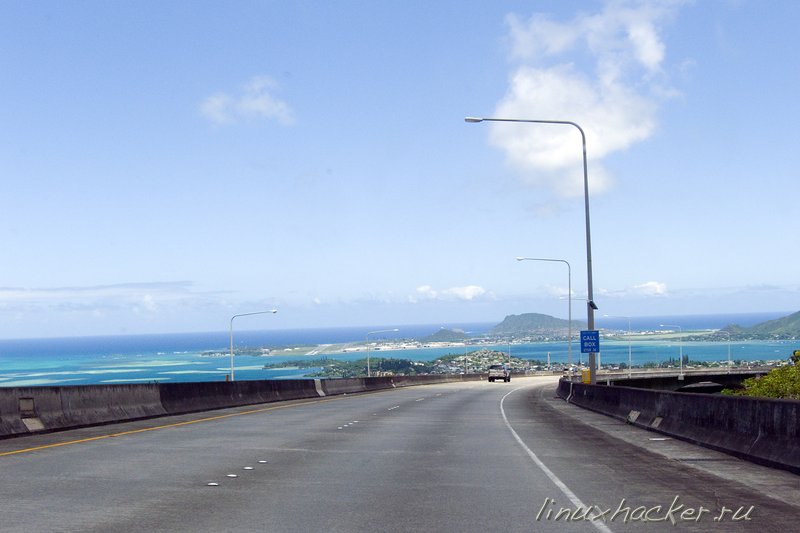
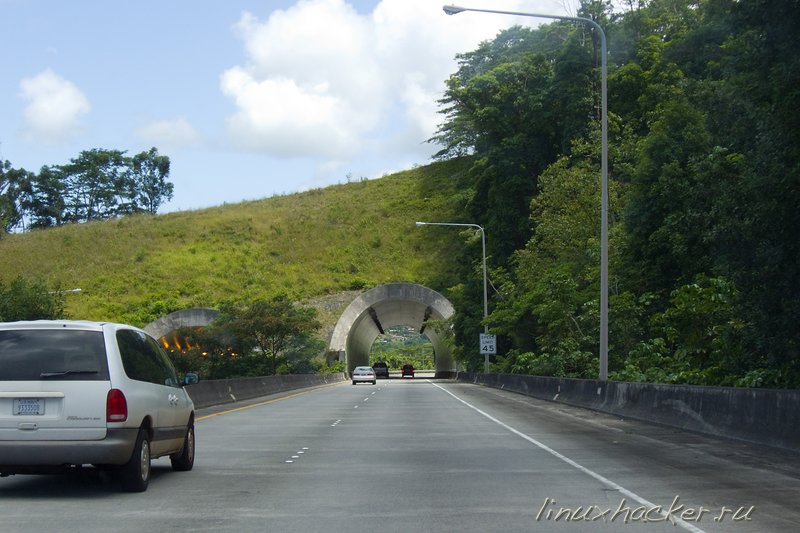
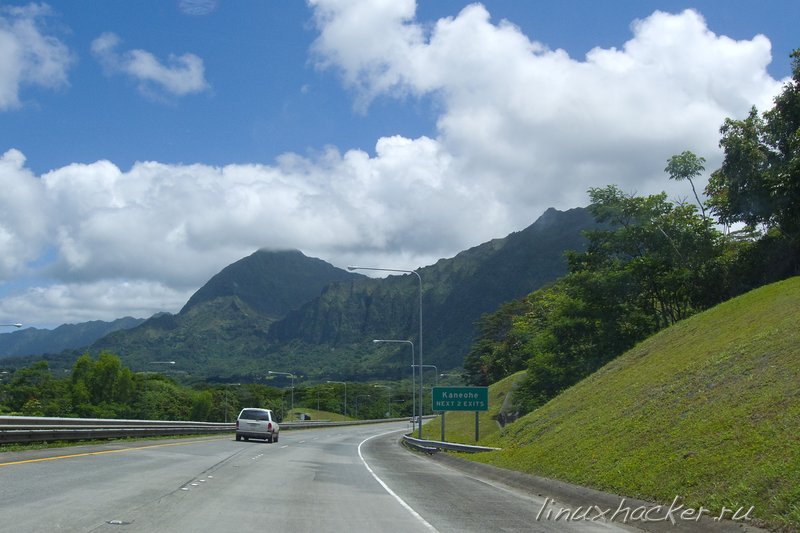
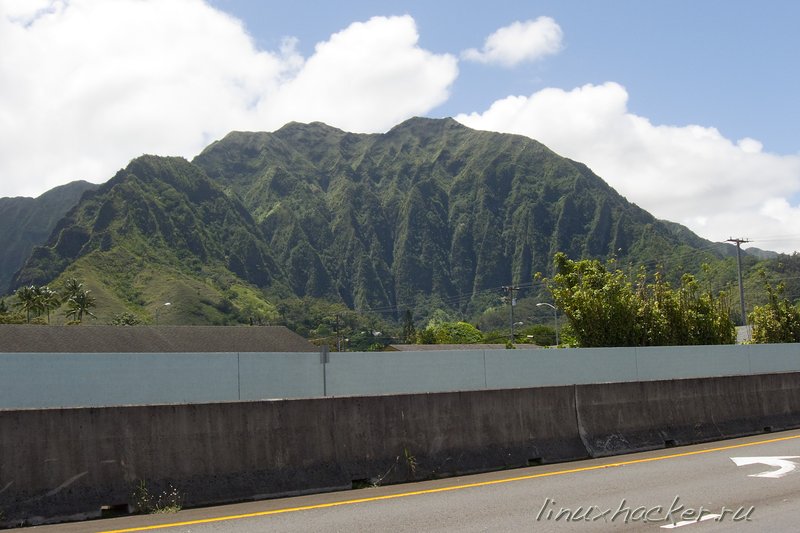
We went through some mountains and then ended up on a coastal road with also pretty nice views.
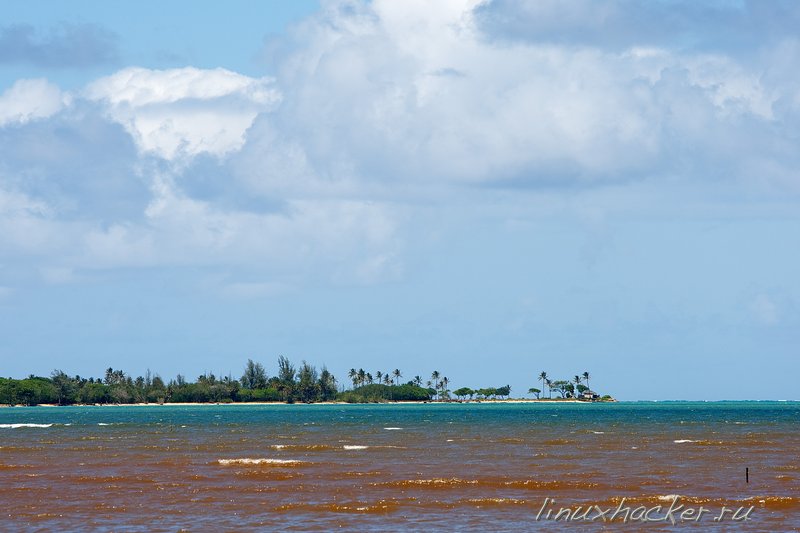
Then we surprisingly saw pink ocean, that was so unusual that we decided to stop.
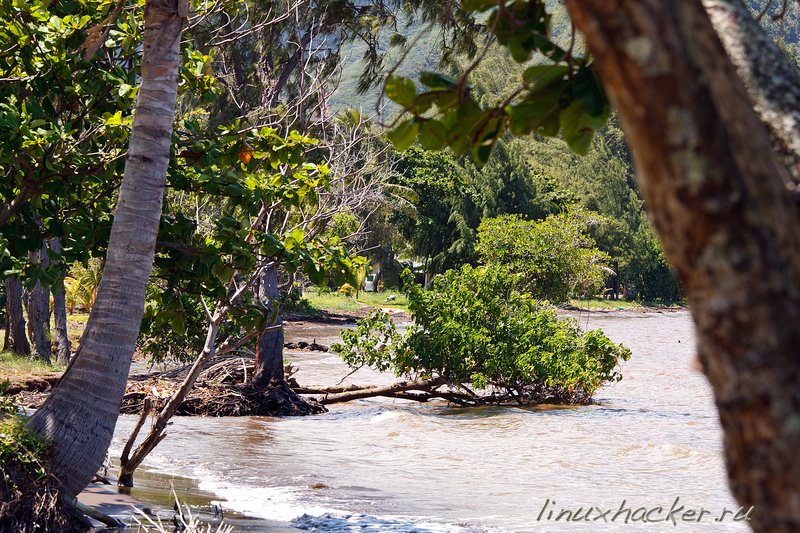
The place turned out to be Waiahole Beach Park and the ocean was more brown-reddish than pink from close.
I am not sure what is the source of the color, just soil from the shore?
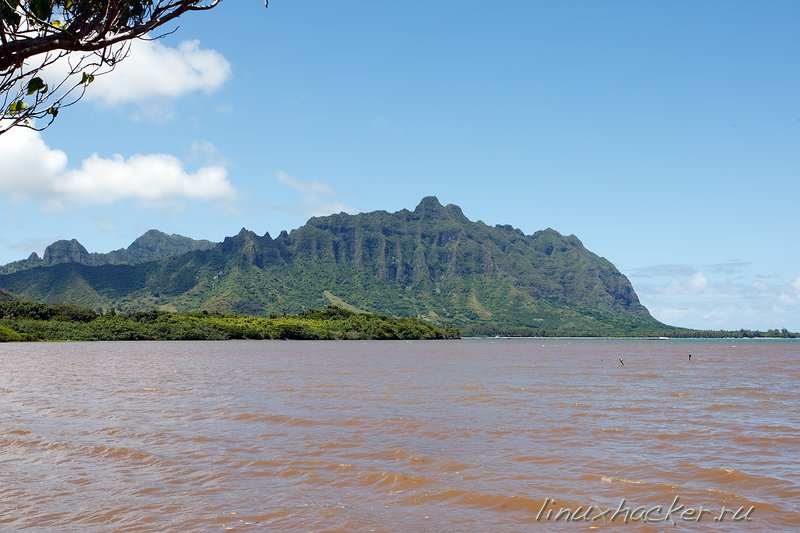
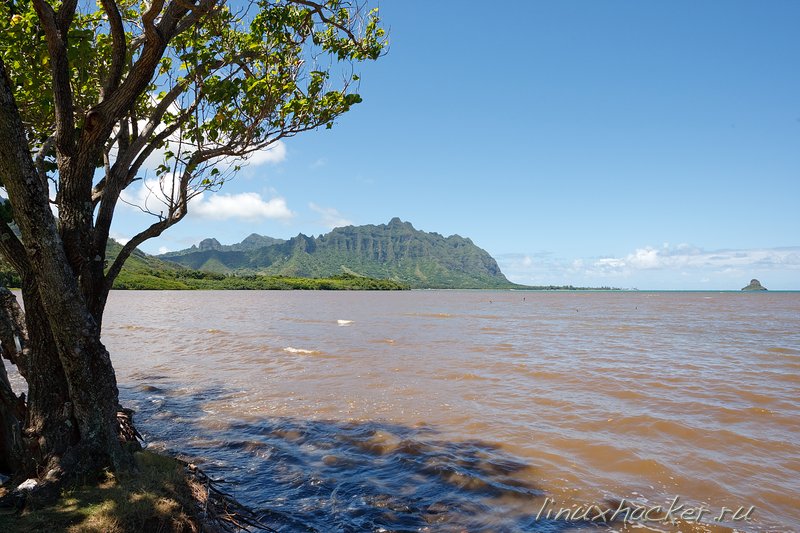
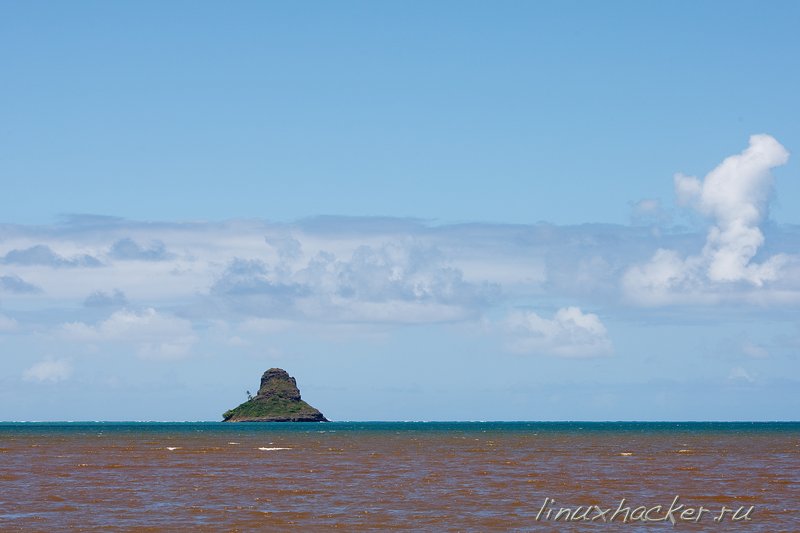
This island has a name. Guess what it is? Chinaman's Hat Island 
In the Polynesian Center it turned out they have no Russian speaking guides on duty, but it was possible to get one for next day, so we just bought the tickets for the next day. The Center advised us we should arrive no later than noon and probably even earlier to actually see everything.
So after returning we spent the rest of the day on the beach.
In the evening we decided to have a dinner in a Thai place Keo's at Waikiki.
And of course they had my favorite Thai Crispy Noodles.
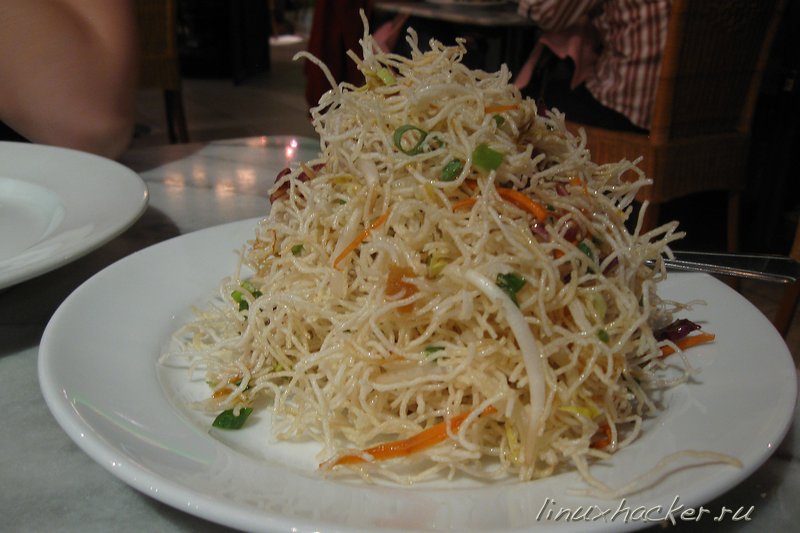
The actual name in Thai is "Mee-Krob", the noodles are very light and crispy with some sweet sauce.
Finally I was able to show it to Ksusha and we now have this one in our home menu as well.
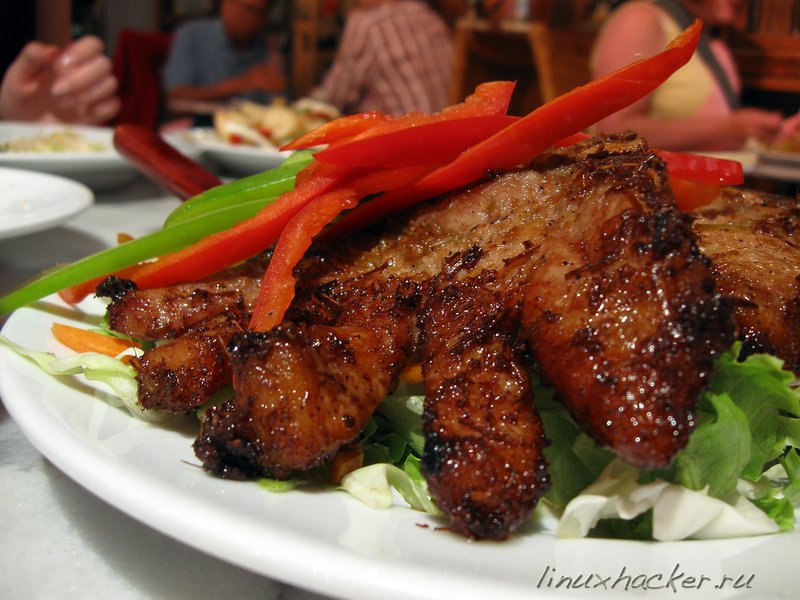
Some meat dish I had. Don't remember what was it already unfortunately.
The place was not so bad, though their menu selection is pretty small.
Scallops dish we ordered was completely bad and they agreed not to charge us for it.